
Nesrine Joly: Documenting the Traditions That Connect Generations
Published October 31, 2026
Photography can become a way of understanding the world beyond what is immediately visible. A place is shaped not only by its architecture or landscape, but also by the people who inhabit it, the traditions they preserve, and the histories carried through generations. For French-Tunisian photographer and visual storyteller Nesrine Joly, these connections are at the centre of her documentary practice.
With a particular interest in cultural identities and traditions, Nesrine approaches photography as a means of documenting the human and historical dimensions of different environments. Her work is informed by a personal fascination with heritage and the ways cultural practices continue to shape individual and collective identities. Two of her photographic projects, documenting Mawlid in Tunis and Pchum Ben in Cambodia, offer different perspectives on this interest.
Although the projects emerge from distinct cultural and geographical contexts, they share an underlying curiosity about belonging, memory, and the traditions that connect people to their past.
A Personal Connection to Tunis
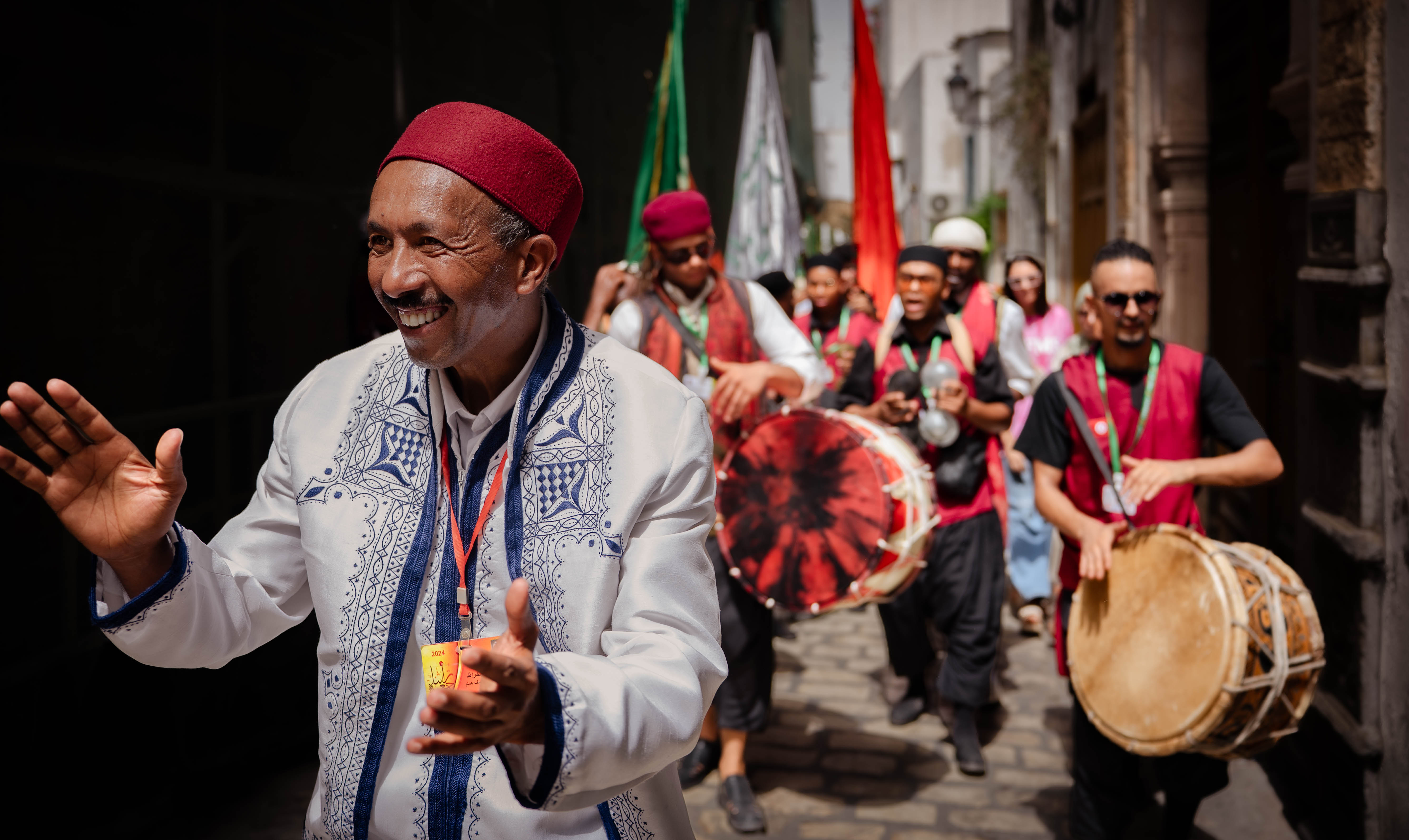
Nesrine’s Mawlid series begins in a place that is particularly close to her own history. Photographed in Tunis, the city where her mother comes from and where she grew up, the images document a religious celebration taking place in the street beside her family home.
Her connection to the subject is both personal and cultural. Having grown up surrounded by the values and traditions of Islam, she had long wanted to document a religious celebration through photography. Mawlid offered an opportunity to experience and observe a moment of cultural and spiritual life through her camera.
She was drawn to the musicians, the songs filling the streets, the movement, and the atmosphere surrounding the celebration. These elements made the experience familiar, while also connecting her to something extending beyond her own lifetime: the traditions of older generations, her roots, and the memory of her ancestors.
This relationship between personal experience and collective heritage gives the series its particular significance. The photographs emerge from a place she knows intimately, yet the act of documenting the celebration allows her to look at it from another perspective. Something that has always formed part of her cultural environment becomes an experience to observe, interpret, and preserve.
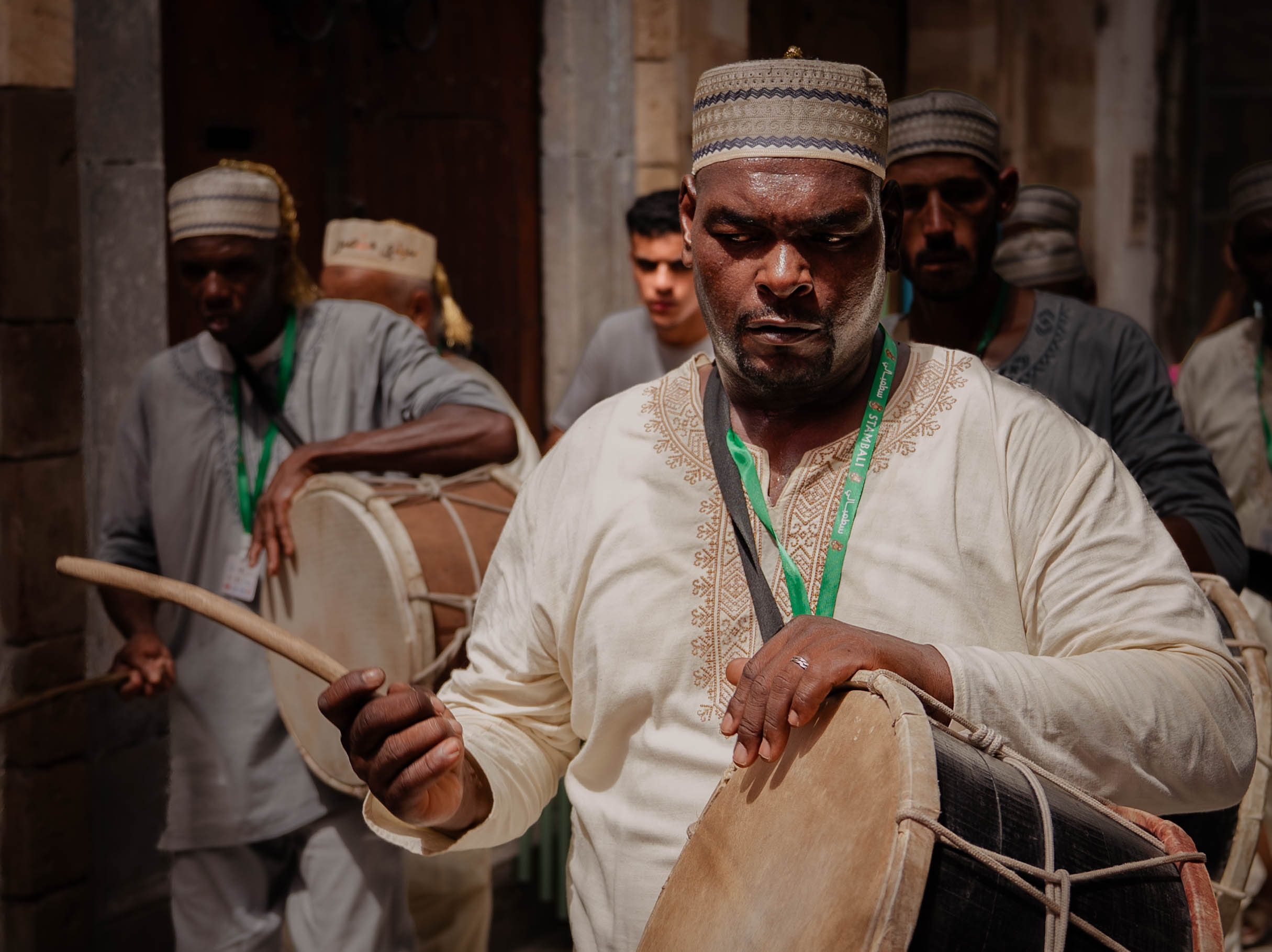
For Nesrine, photography is not simply about recording an event. It is also about understanding why certain moments matter, what they represent to the people who experience them, and how their significance continues across generations.
Pchum Ben: Remembering Through Tradition
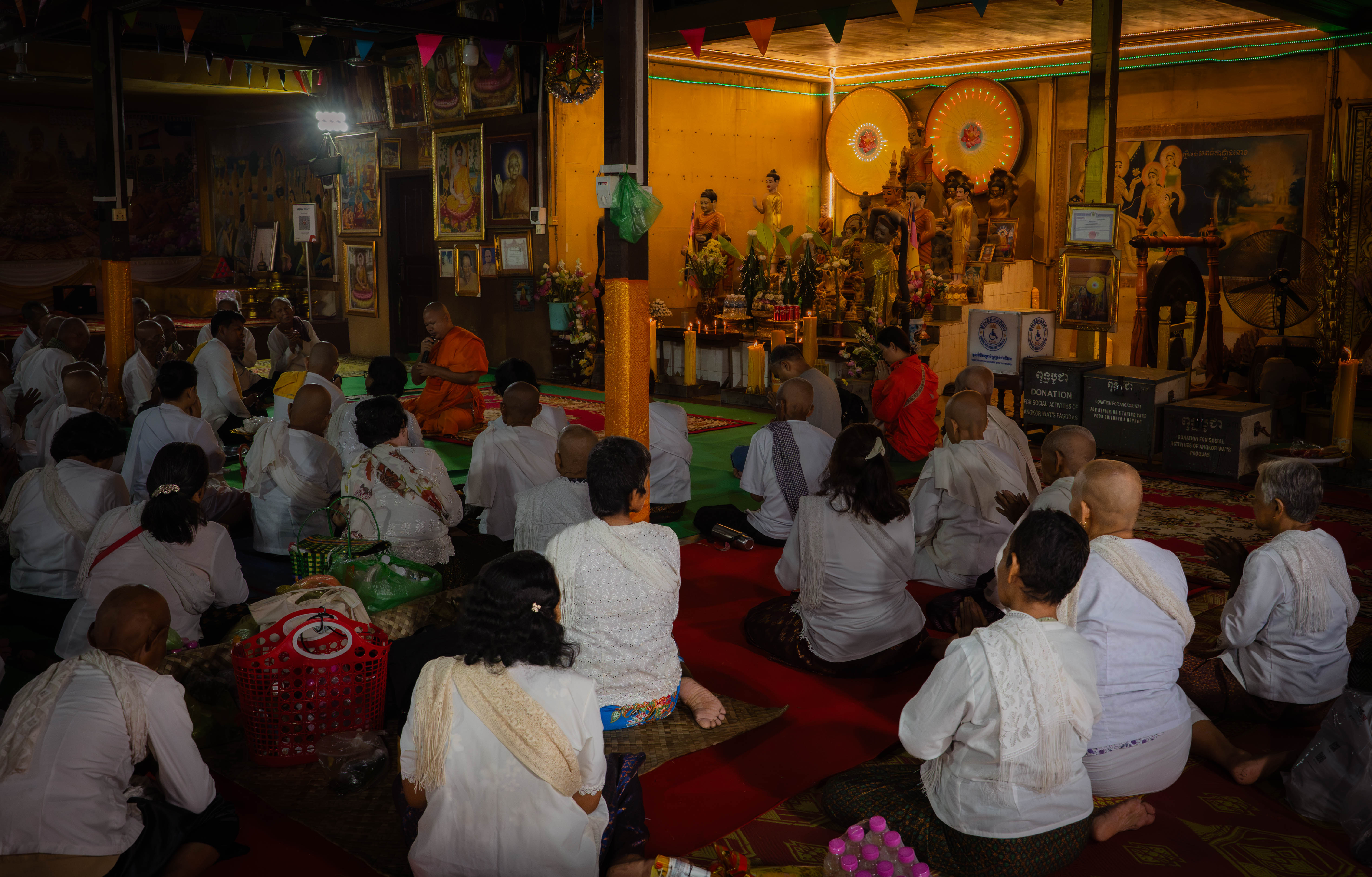
In Cambodia, Nesrine’s attention turned towards another important expression of cultural and spiritual heritage: Pchum Ben.
One of the country’s most significant traditional celebrations, Pchum Ben is dedicated to remembering and honouring deceased family members. Its meaning resonated with her broader interest in the ways communities maintain connections with their histories and ancestors through cultural practices.
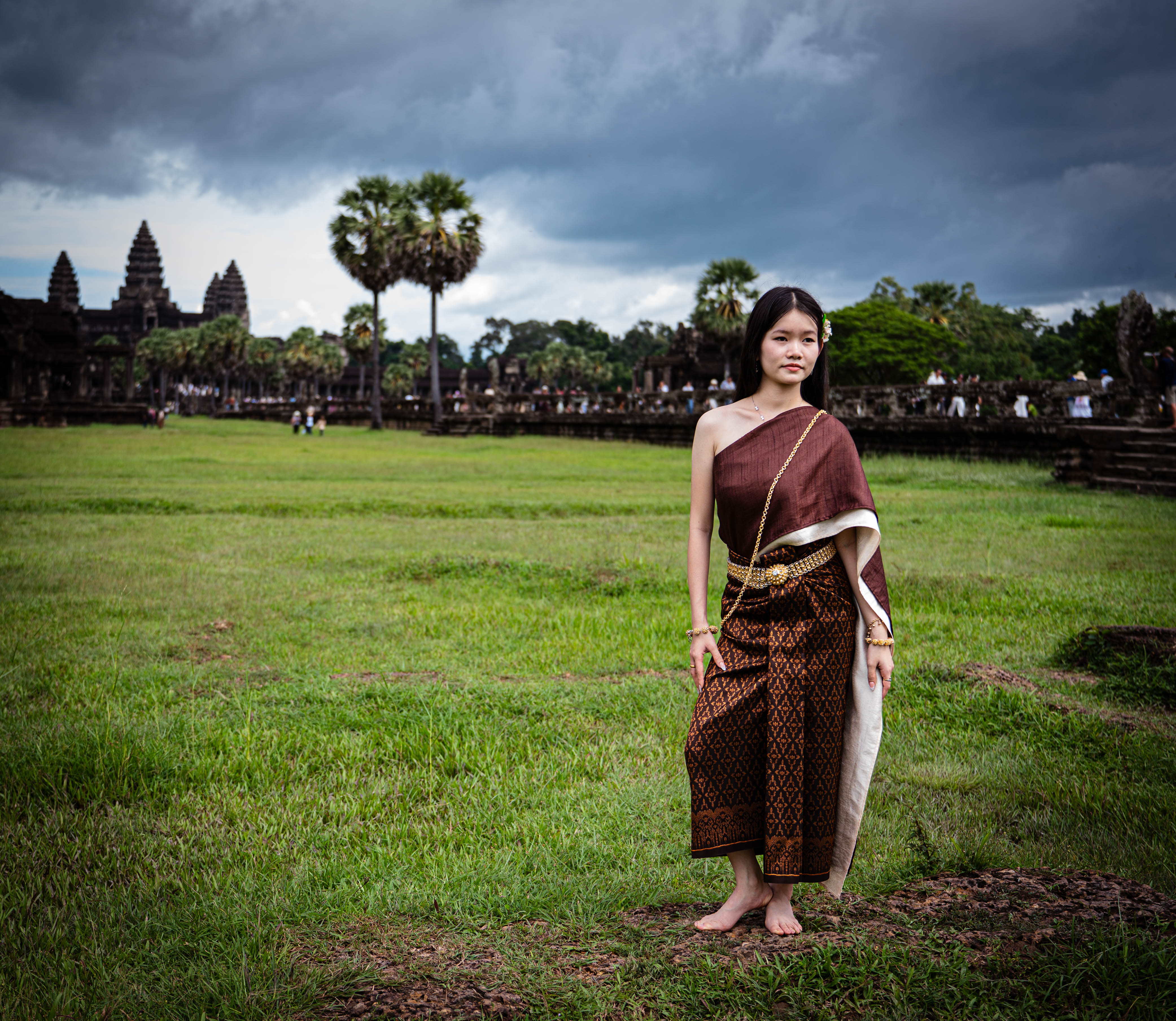
Being in Cambodia and having the opportunity to document such an important moment of cultural life represented an extension of the work she hopes to pursue throughout her career. Her interest lies not only in the visual aspects of a celebration, but also in the stories, beliefs, and histories that give it meaning.
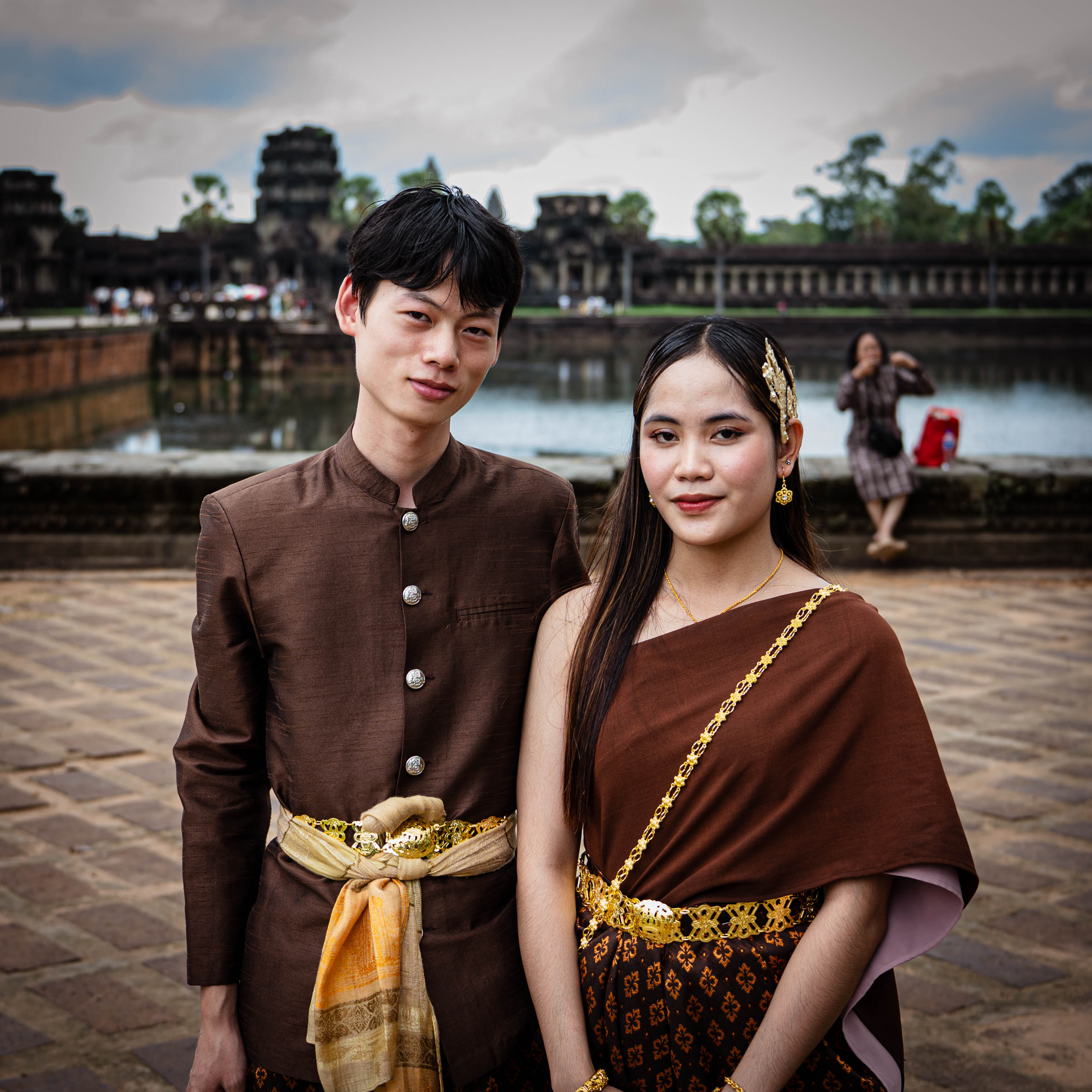
Alongside the photographs connected to her Cambodian project, Nesrine also found herself documenting more of the vast Angkor temple complex than she had initially planned. Her time there expanded the scope of her photographic exploration, bringing the architecture and historical environment of Angkor into the wider collection of images she was developing.
The relationship between these subjects is particularly interesting within the context of her practice. Both invite a closer consideration of heritage: one through a traditional celebration centred on remembrance, and the other through a monumental historical environment. Together, they reflect her curiosity about the ways places and traditions preserve traces of the past.
Photography as a Connection to Heritage
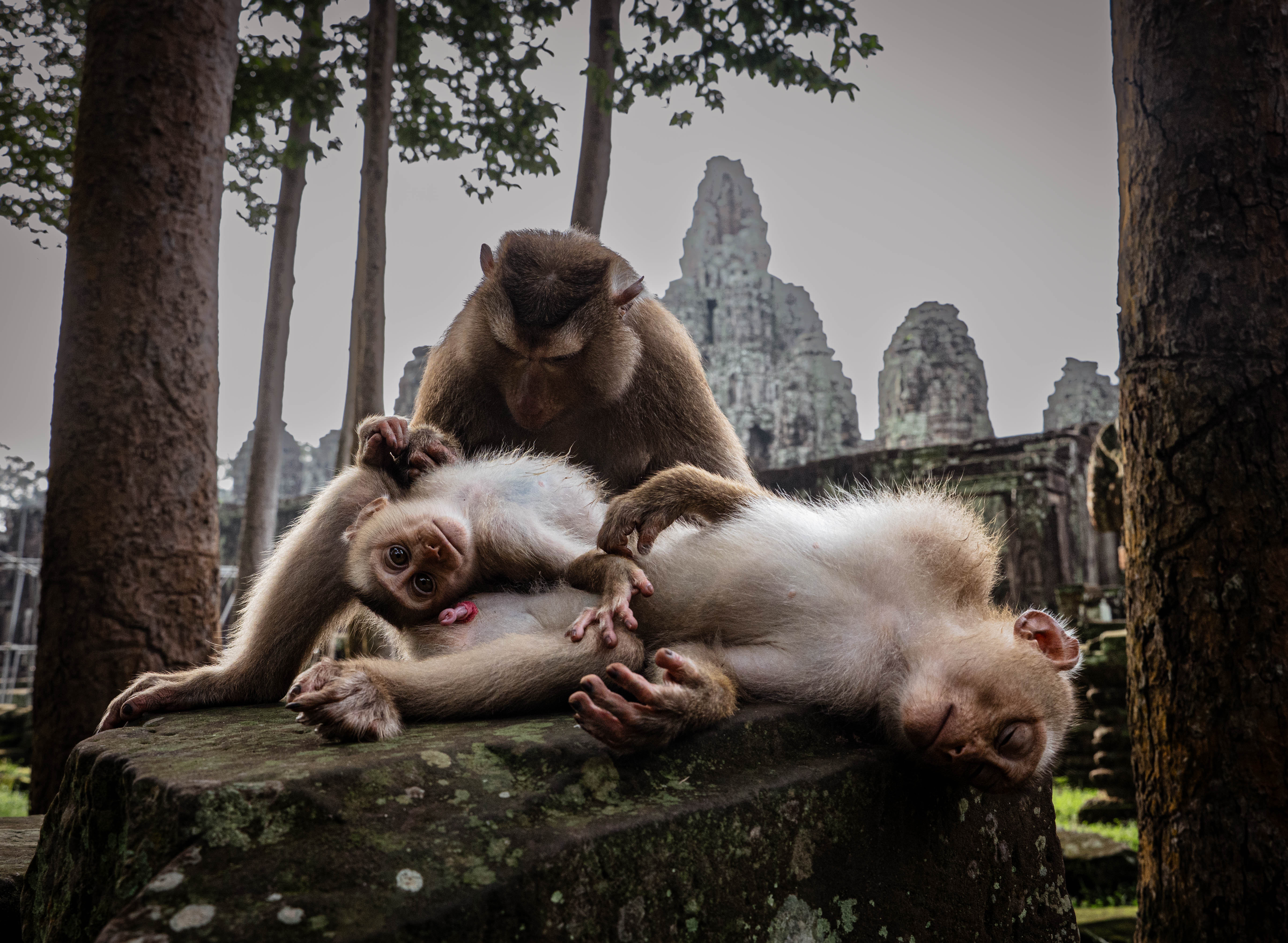
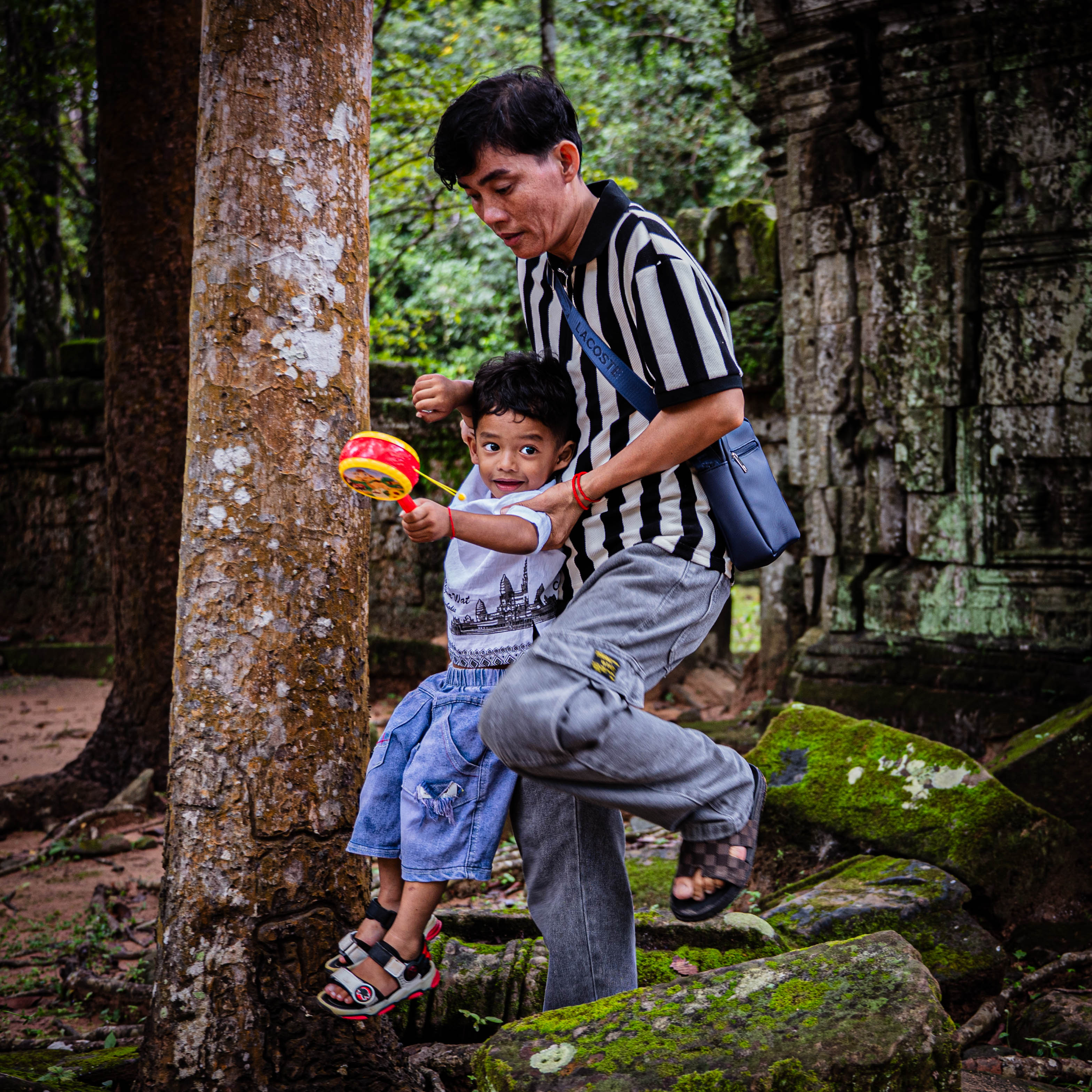
Looking at the two projects together reveals an important consistency in Nesrine’s approach. Although Tunis and Cambodia are separated by geography, history, and cultural context, both became places through which she could explore the relationship between identity and memory.
Her interest in heritage is not limited to one country or tradition. Instead, she is drawn to the different ways people maintain connections with their past, whether through religious celebrations, family histories, or cultural environments. This curiosity informs her desire to document traditions across different parts of the world and to understand the people and stories behind them.
The personal dimension of her Mawlid series demonstrates how closely her photographic work can be connected to her own background. Photographing the celebration in the streets beside her family home allowed her to approach the subject through both lived familiarity and the perspective of a photographer. In Cambodia, the experience of encountering another cultural environment offered a different opportunity: to learn, observe, and document traditions beyond her own immediate background.
There is a meaningful distinction between these experiences, but neither is approached as a simple visual exercise. Both are connected to her wider interest in understanding cultural practices and the significance they hold for the communities that preserve them.
Looking Beyond Familiar Borders
Nesrine’s work reflects a broader ambition to continue documenting heritage and traditions in different parts of the world. Her current interest in challenging and conflict-affected environments also points towards a desire to explore documentary photography in contexts where cultural identity and lived experience can be particularly important to understand.
Her approach begins with curiosity: an interest in the people, stories, and histories behind the subjects she photographs. Rather than treating cultural practices as isolated events, she considers their relationship with memory and the generations that continue to carry them forward.
This perspective gives her projects a connection that extends beyond their individual locations. The Mawlid celebration in Tunis and Pchum Ben in Cambodia are distinct cultural experiences, yet both demonstrate how traditions can create a sense of continuity between the past and present.
For Nesrine Joly, photography offers a way to engage with these connections, preserving moments of cultural life while exploring the meanings they hold. Her work reminds us that heritage is not only found in historical monuments or inherited objects. It also exists in celebrations, shared practices, familiar streets, and the memories people carry with them.
Through her ongoing photographic exploration, Nesrine continues to look towards the stories that make places meaningful and the traditions that connect generations across borders.
Nesrine Joly is a French-Tunisian photographer and visual storyteller based in Paris, with a documentary photography practice focused on cultural identities and traditions.