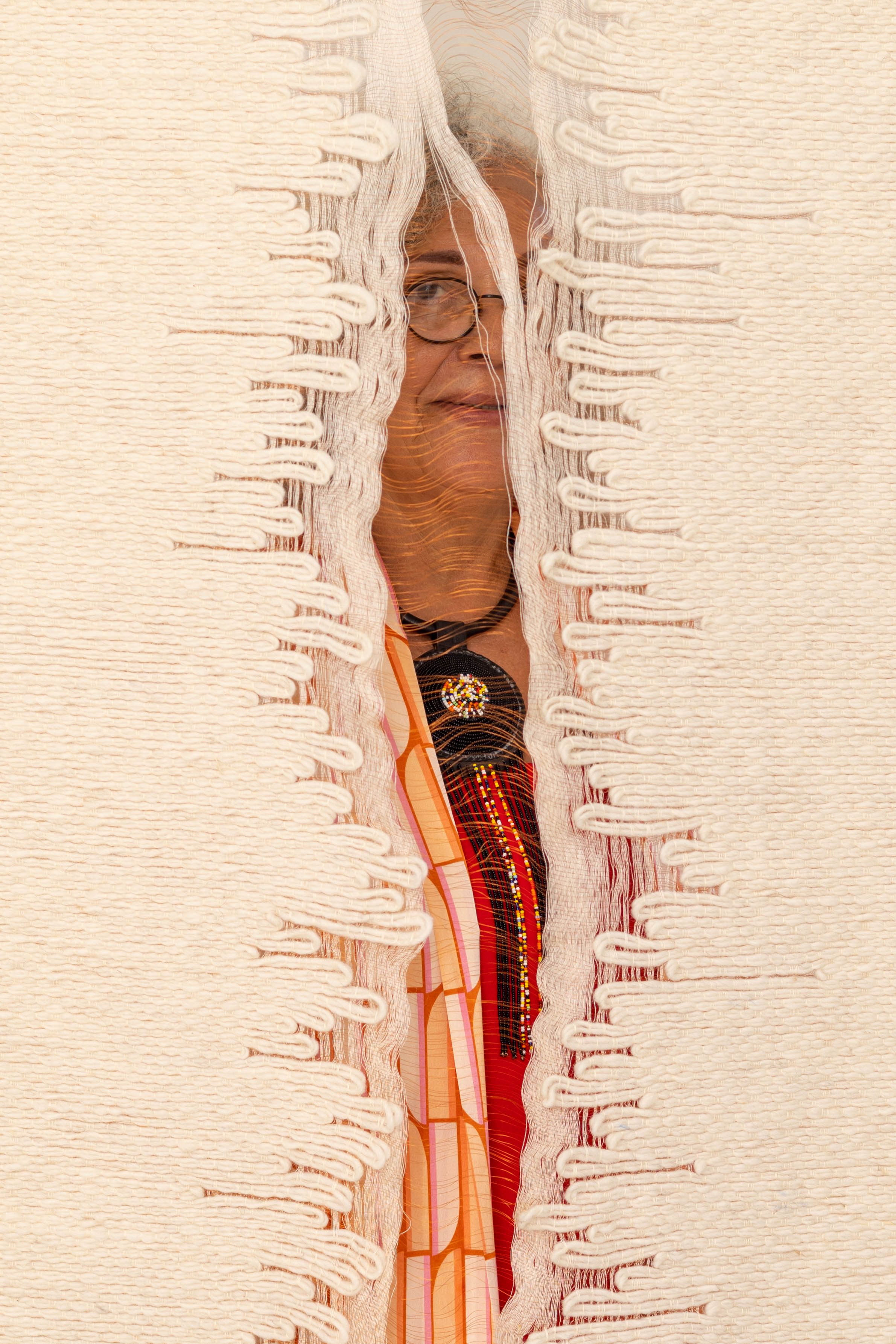
Soumiya Jalal: Where Architecture Becomes Textile
Published October 10, 2026
For Soumiya Jalal, textile did not begin with craft. It began with architecture.
Her first training as an architect and urbanist led her toward a broader investigation into the origins of human habitation: how societies have built, how they have adapted to their environments, and how materials have shaped the spaces in which people live. Stone, earth, plant fibres and animal fibres were among the earliest materials used by humanity to create shelter. Looking closely at these materials eventually led Jalal toward another form of construction — weaving.
What she discovered was a fundamental connection between architecture and textile. Both are governed by structure, rhythm, tension and construction. The woven surface could therefore be understood not simply as an object of craftsmanship, but as a constructed space in its own right.
Over time, weaving became much more than a technique for Jalal. It became a language.
Through textile, she explores territory, memory, transmission and time. The physical act of weaving allows her to consider how knowledge is constructed and carried forward, while also opening possibilities for transformation. Her practice sits between the memory of traditional techniques and the possibilities of contemporary artistic expression.
Beyond Tradition
Jalal does not approach traditional savoir-faire as a fixed heritage that must simply be preserved exactly as it was. Instead, she describes these techniques as an almost limitless reservoir of knowledge and creative possibility.
For her, transformation can only happen through understanding. The techniques must first be studied and practiced manually before they can be pushed into new territory. This relationship with the hand is essential to her practice. Rather than reproducing what tradition has established, she seeks to preserve what she describes as the intelligence of the gestures themselves.
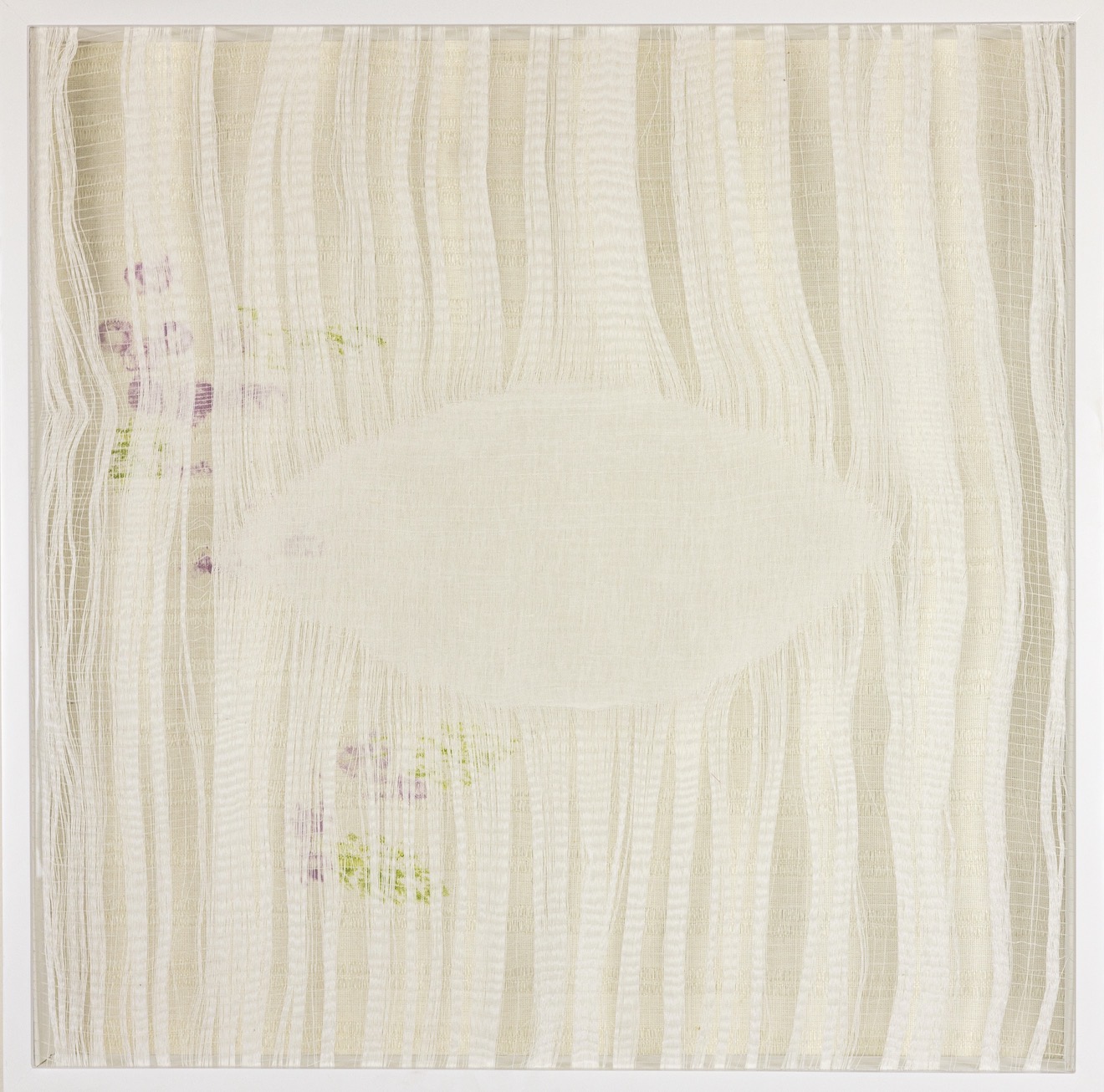
That distinction is central to her artistic approach.
Her work maintains a commitment to technical excellence while continuously experimenting with materials, scales, structures and narratives. The resulting pieces create a dialogue between different temporalities: the memory of ancestral knowledge, contemporary forms of creation and new artistic interpretations that have yet to be defined.
In this sense, tradition does not become the opposite of contemporary art. It becomes one of its foundations.
The Meeting of Horizontal and Vertical
One of the central ideas within Jalal’s research is the meeting between horizontal and vertical. Weaving offers her a direct metaphor for this relationship.
The warp, positioned vertically, establishes the structure of the textile. It forms the skeleton, carrying and supporting the rest of the construction. Jalal associates this vertical structure with roots, culture and deep history — elements that may remain invisible within the finished surface but continue to determine what it is.
The weft moves horizontally through that structure. Unlike the fixed vertical foundation, it can change, transform and reinvent itself. It becomes the visible surface of the textile and the place where transformation occurs.
Together, these two directions create a larger reflection on identity.
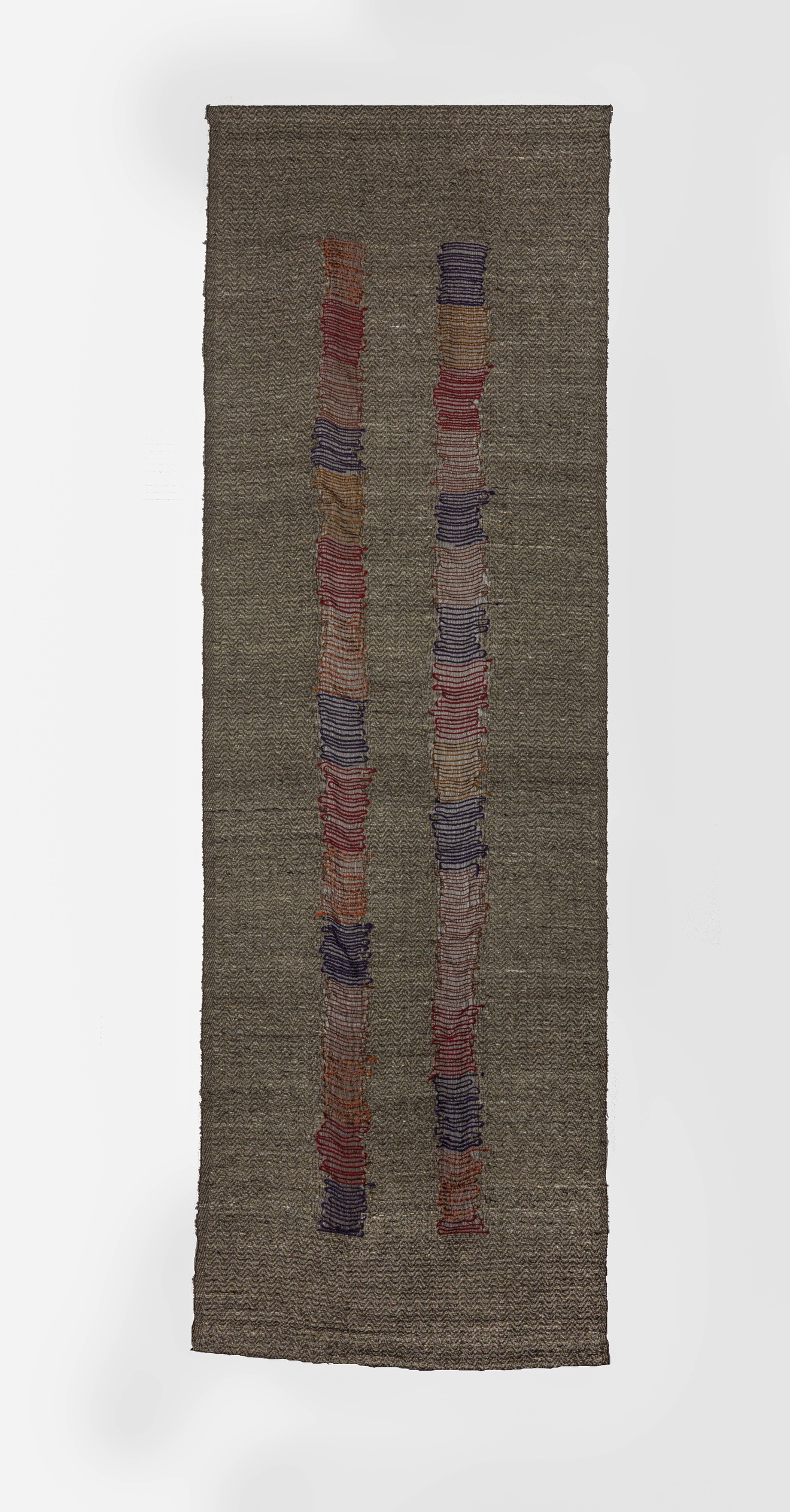
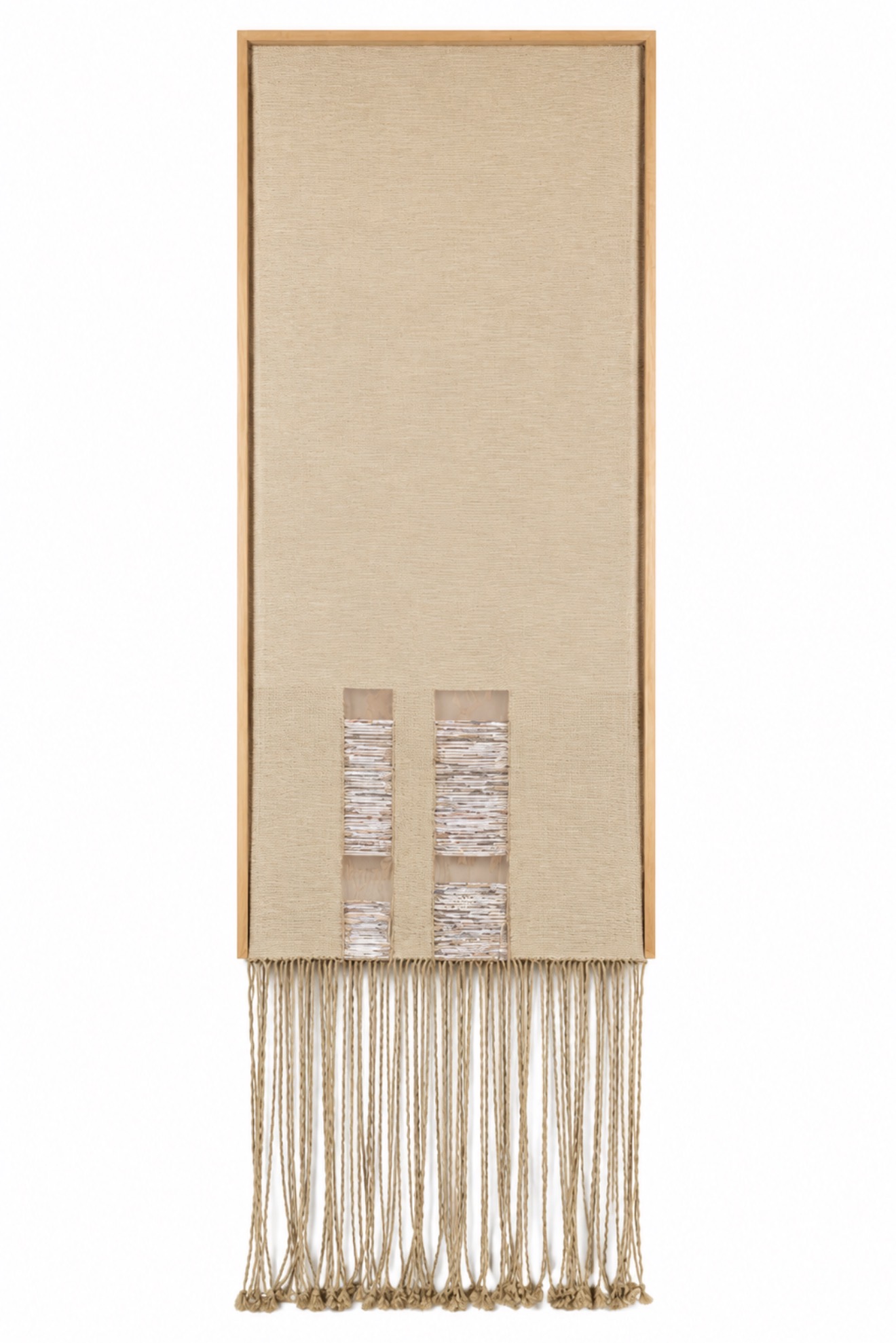
There are structures beneath us that remain connected to where we come from, while other aspects of our identity are continuously changing. Jalal’s textile practice becomes a way of holding these two forces together: continuity and transformation, memory and contemporary expression, foundation and possibility.
Material as Memory
Material plays an equally important role in this dialogue.
Plant, animal and mineral materials are fundamental to Jalal’s work, but she does not treat them simply as tools for producing an artwork. She considers them as presences in their own right, each carrying a relationship to the earth.
For Jalal, animal matter represents what the earth nourishes to nourish us. Plant matter represents what the earth grows to sustain us. Mineral matter represents what the earth contains as a resource for life. Through these materials, the earth itself becomes part of the conversation.
Copper holds a particular significance within this practice.
As a mineral, a conductor and an ancient material associated with protection, copper becomes something more than a physical component. Jalal often uses it as a symbolic protective thread — a gesture of care and vigilance. Within her work, creation can therefore become an act of responsibility: a way of remembering, protecting and paying attention.
Making Intangible Heritage Visible
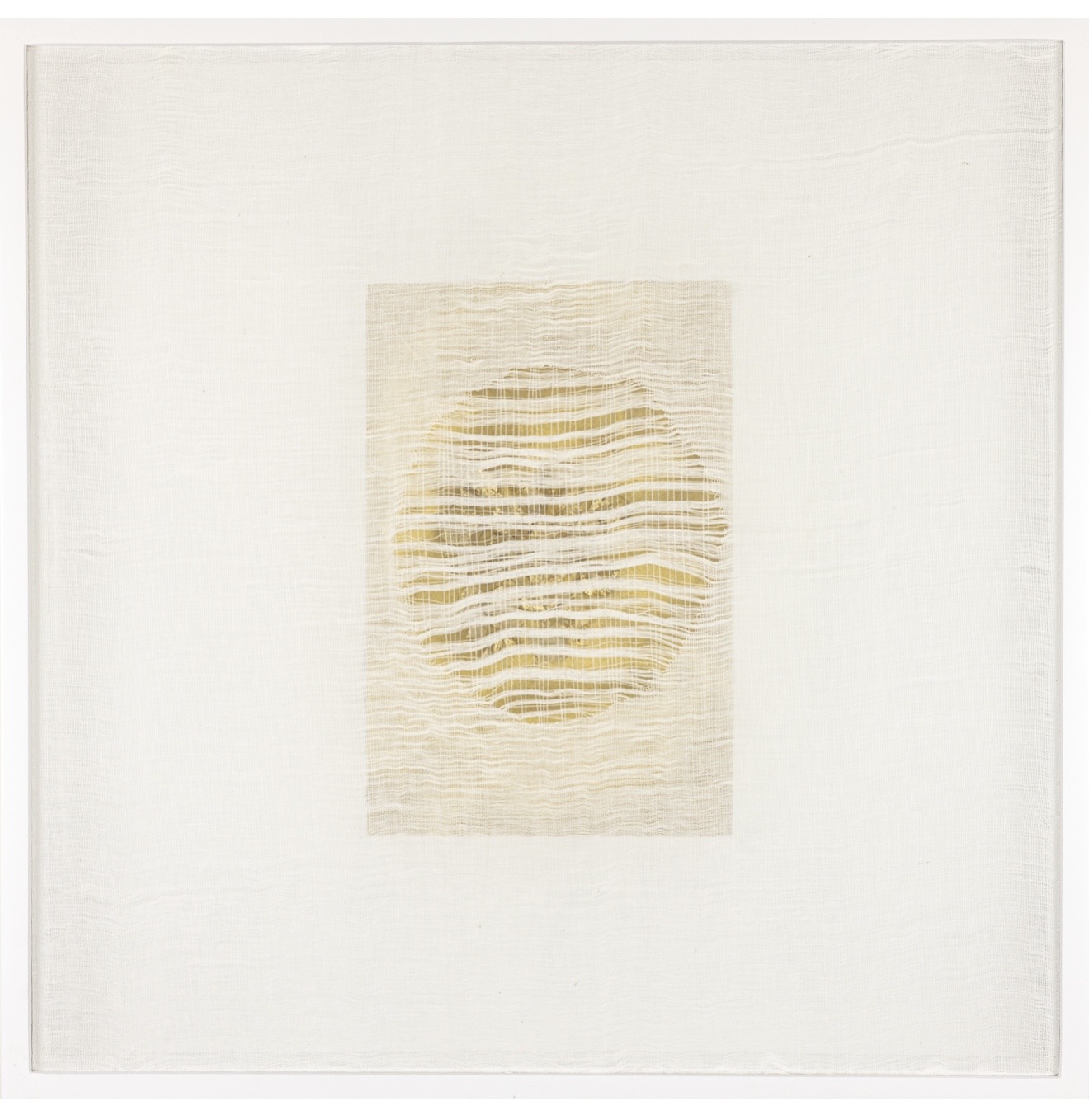
Jalal identifies the 19th International Architecture Exhibition of the Venice Biennale in 2025 as a decisive turning point in her artistic journey.
Curated by Carlo Ratti under the title Intelligens. Natural. Artificial. Collective, the exhibition explored relationships between architecture, design and collective intelligence. Within the Morocco Pavilion, Materiae Palimpsest brought together questions of heritage, ecology and the memory of materials.
Jalal’s textile installations were developed from her long-standing investigation into the position of textile within contemporary architectural discourse. Her works were intended not simply to illustrate or accompany an architectural argument, but to emerge from the territory itself through colour, texture and material.
The experience led to an important realization about her practice.
Her work was no longer only about producing artworks. It could also make visible forms of intangible heritage that are increasingly threatened with disappearance — particularly knowledge connected to natural materials, manual labour and respectful relationships with the earth.
That awareness continues to shape her research today.
A Practice Moving Toward Architecture
Jalal’s current work is becoming increasingly architectural and immersive. Rather than moving away from her original training, her artistic practice appears to be bringing that foundation into greater focus.
Architecture, textile and material continue to intersect, but now through an expanded understanding of what a constructed space can be. Her work considers not only how something is built, but what knowledge, memory and history are embedded within the act of building.
Her next chapter continues this trajectory: bringing architecture, memory, material and contemporary creation into conversation while demonstrating that ancient gestures and techniques can still produce work that feels radically present.
For Jalal, the future of these traditions does not necessarily depend on reproducing the past.
It may depend on understanding it deeply enough to transform it.
And within that transformation, the hand remains essential — carrying knowledge, giving material its structure and allowing something inherited to become something new.