Oana Uciuf’s Lil’ Romanian: Reimagining Home Through Migration
Published October 17, 2026
A Homeland Carried Across Borders
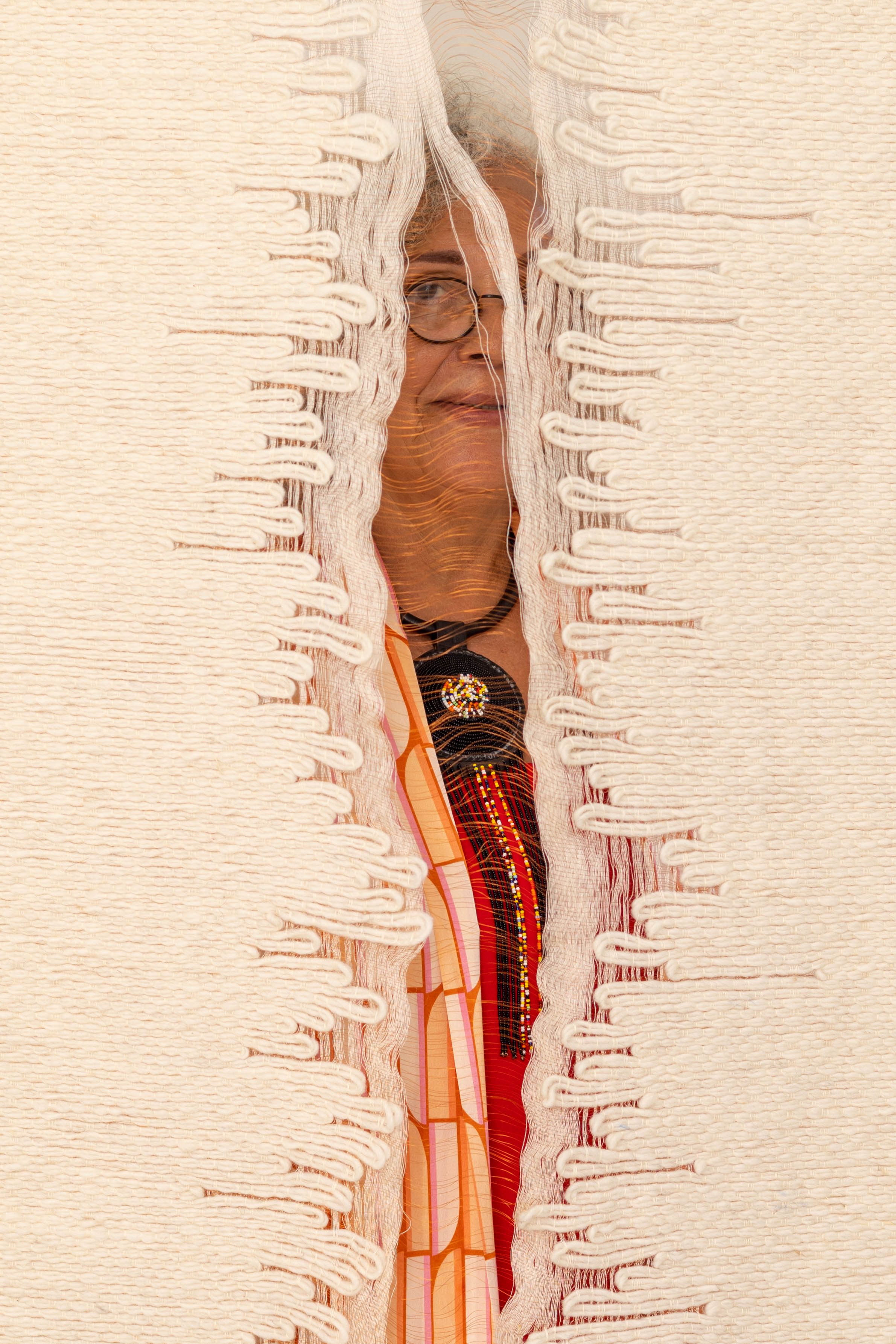
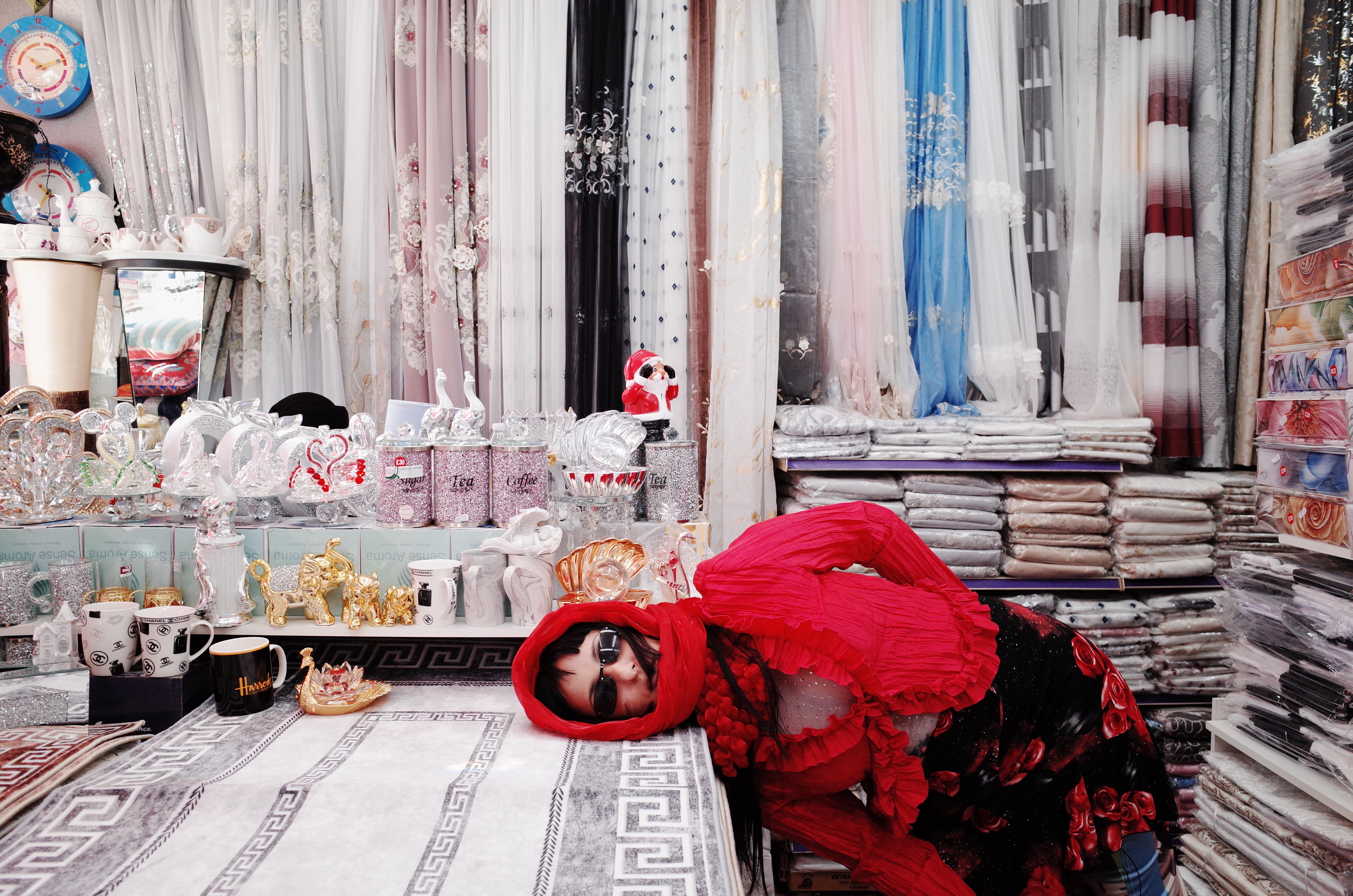
What happens to the meaning of home when the place we know is no longer the place where we live? For photographer Oana Uciuf, this question lies at the centre of Lil’ Romanian, a photographic project set in Burnt Oak, North London, that explores how migration transforms the relationship between identity, memory, and belonging. Through the portrait of a Romanian woman who moved to London at twenty and the everyday spaces of the Romanian diaspora, Uciuf examines what it means to carry one’s upbringing into a different cultural landscape.
Migration is often understood through the distance between two geographical points: the place left behind and the place where a new life begins. Yet the experience extends far beyond movement. It involves carrying familiar customs, memories, and ways of understanding the world into surroundings that gradually reshape them. In Lil’ Romanian, home becomes something that travels with the individual, existing beyond a fixed location while remaining connected to the place of origin.
Uciuf describes migration through the image of a spaceship carrying the entirety of one’s upbringing, lifted from its original world and landed somewhere else. Everything familiar arrives intact, yet the new environment inevitably changes it. The metaphor captures the contradiction at the heart of displacement: what is carried across borders may remain recognisable, but its meaning shifts when removed from its original context.

Burnt Oak as a Parallel Homeland
Set within the Romanian diaspora of Burnt Oak, the project considers how a sense of homeland can take shape within a different country. Here, Romania is transplanted into London, becoming something that belongs fully to neither place. It is neither entirely Romanian nor entirely British, but a parallel homeland shaped by memory, distance, and the desire to belong.
This idea challenges the assumption that migration necessarily means leaving one identity behind in order to adopt another. Instead, Lil’ Romanian suggests that identity can exist between places, formed through the ongoing relationship between the past and the present. The familiar does not disappear after migration; it is reconstructed within a new environment, where everyday spaces become part of a broader negotiation between preservation and change.
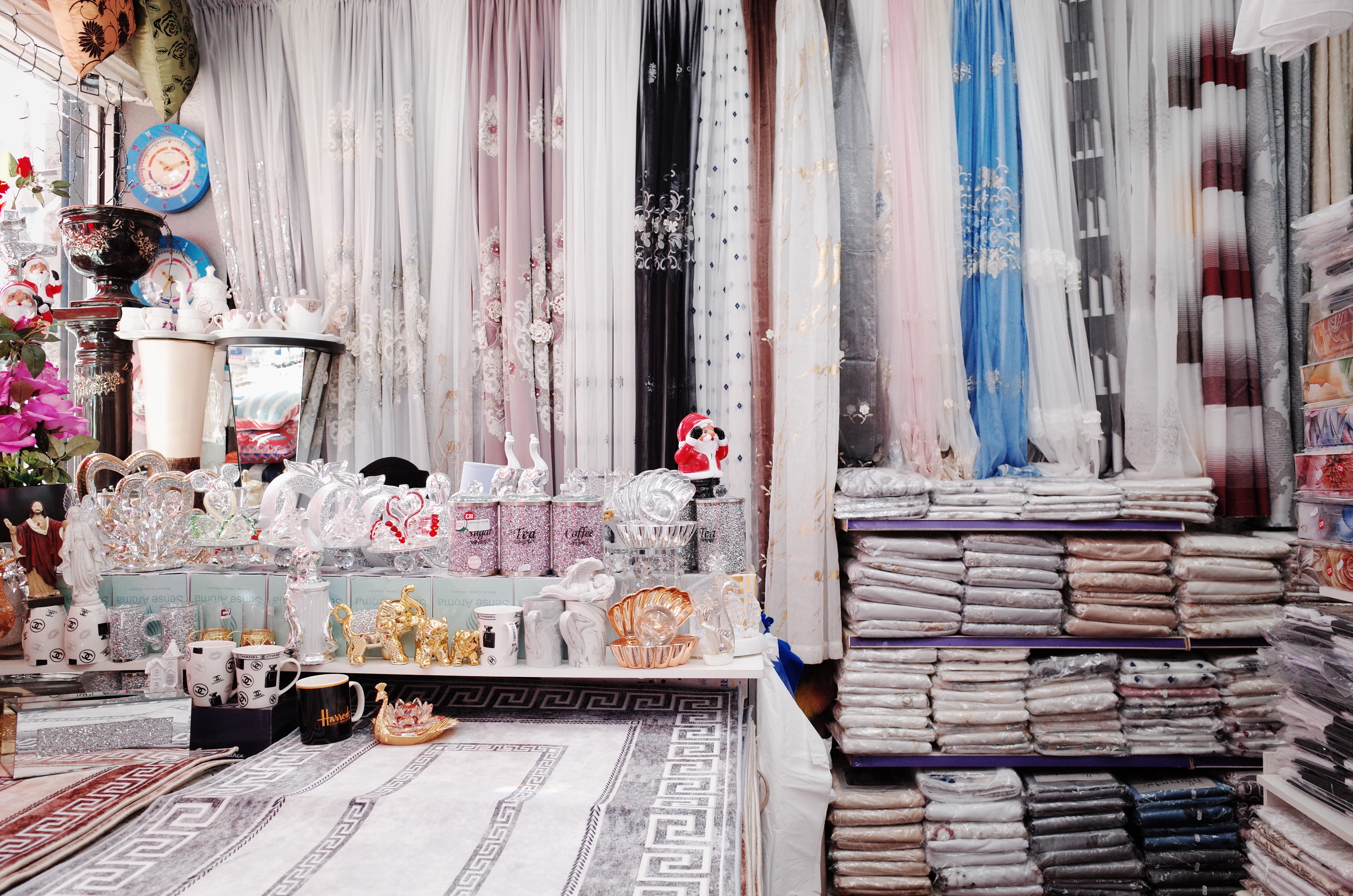
Burnt Oak becomes significant within this framework not simply as a location, but as the setting in which this relationship becomes visible. The everyday spaces of the Romanian diaspora offer a way to consider how cultural identity continues to exist away from its geographical origin. Home is no longer defined exclusively by national borders. It can also be found in the environments, memories, and connections through which people maintain a relationship with where they came from.

The Familiar, Made More Visible
One of the most compelling ideas behind Lil’ Romanian is the possibility that distance can intensify the experience of familiarity. Uciuf suggests that, within a transplanted homeland, the familiar may become almost hyperreal: more concentrated, more visible, and perhaps even more authentic than the place it seeks to preserve.
Distance can change how people experience what they once considered ordinary. Elements of everyday life may acquire greater significance when they become reminders of somewhere else. What previously existed as part of the background can become central to the experience of identity, carrying a heightened sense of attachment because it is now encountered away from its original setting.
In this sense, preservation is never entirely separate from transformation. The desire to maintain a connection to one’s homeland can make certain aspects of that identity more pronounced, while the surrounding environment introduces new meanings. The result is not necessarily a perfect recreation of the place left behind, but a version of it shaped by memory and the conditions of life elsewhere.

Through its focus on the Romanian diaspora, Lil’ Romanian brings attention to this tension without reducing migration to a simple opposition between two cultures. Instead, it considers the more complex space that emerges between them, where belonging can be multiple, shifting, and deeply personal.
Between Preservation and Change
At its core, Lil’ Romanian is a reflection on how people carry their histories into new surroundings. The portrait of a Romanian woman who moved to London at twenty provides a personal point of entry into a wider consideration of migration, while the everyday spaces of the diaspora situate that experience within a shared cultural landscape.
The project invites us to reconsider home not as something that must remain tied to one location, but as something that can be carried, reconstructed, and transformed. Migration changes the conditions in which identity is lived, yet it does not necessarily sever the connection to what came before. Instead, the past continues to participate in the present, taking on new forms as people navigate different environments.
With Lil’ Romanian, Oana Uciuf explores the delicate balance between preserving a sense of origin and accepting the changes that come with distance. The project offers a perspective on belonging that exists beyond a single place, revealing how a homeland can persist in another landscape while becoming something new.
Project: Lil’ Romanian
Photographer: Oana Uciuf
Website: https://www.uciufanao.com/