Fashion in the Shadows: Inside a Dark, Cinematic Editorial
Publié le 29 octobre 2026
Exploring the relationship between fashion, architecture and atmosphere through a Frankenstein-inspired garment.
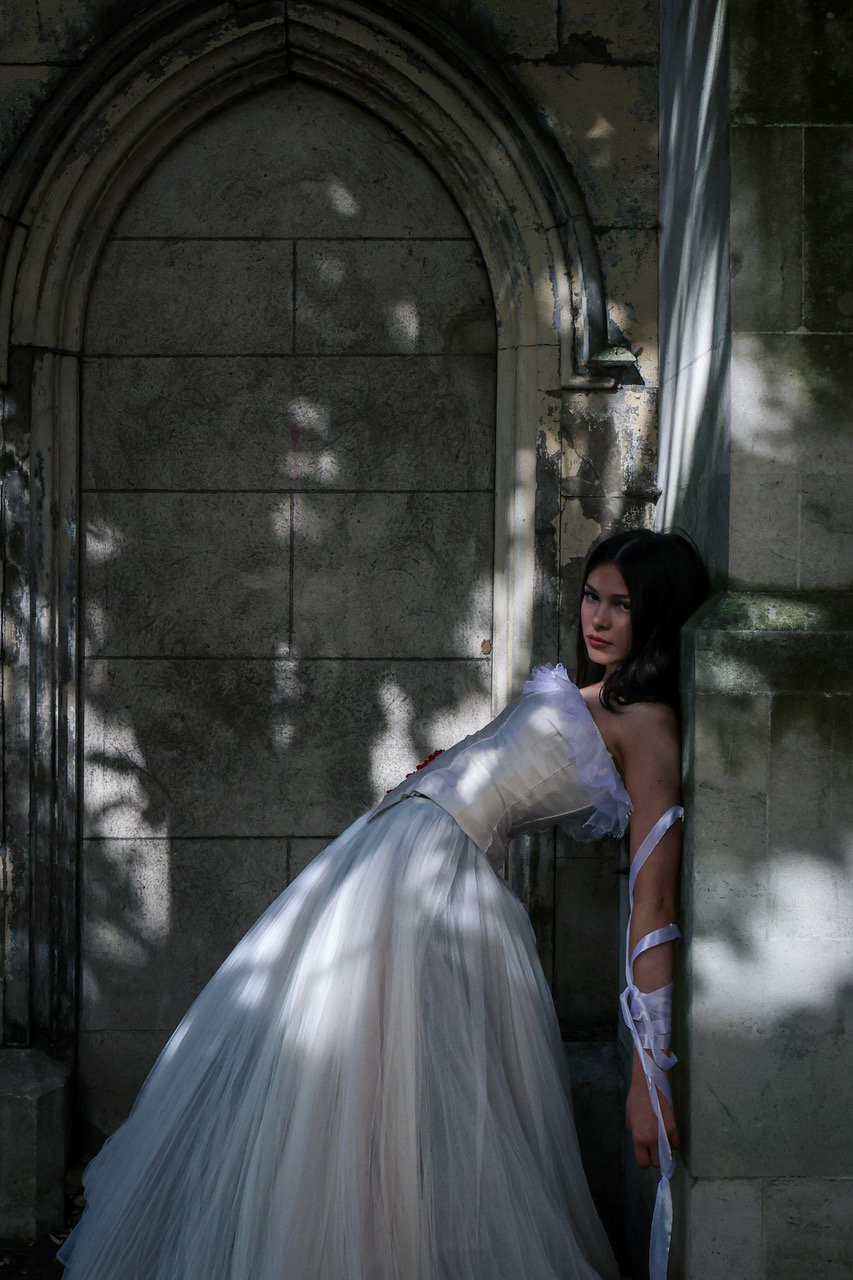
Fashion photography can transform the way we experience clothing. Beyond silhouettes, materials and styling, the setting in which a garment appears can influence its character, shifting an image from a simple presentation of fashion into a more considered visual narrative. In her dark, cinematic fashion editorial, Ruby Jackson explores this relationship through a Frankenstein-inspired dress set against the striking architecture of a cathedral.
The project reflects Ruby’s interest in using fashion photography as a form of visual storytelling, bringing together garments, mood and human expression to communicate an idea. Rather than approaching clothing as an isolated object, she considers how a garment interacts with its surroundings and how that relationship can shape the atmosphere of an image.
An Unconventional Garment in a Historic Setting
At the heart of Ruby Jackson’s editorial is a Frankenstein-inspired dress designed by a collaborating creative. The garment provides the central visual element around which the project develops, introducing an unconventional fashion perspective into a setting defined by its distinctive architecture.
The choice of a cathedral creates an immediate contrast. Its architectural presence offers a different context from the spaces typically associated with contemporary fashion imagery, allowing the garment to be encountered in an environment that adds another dimension to its visual impact.
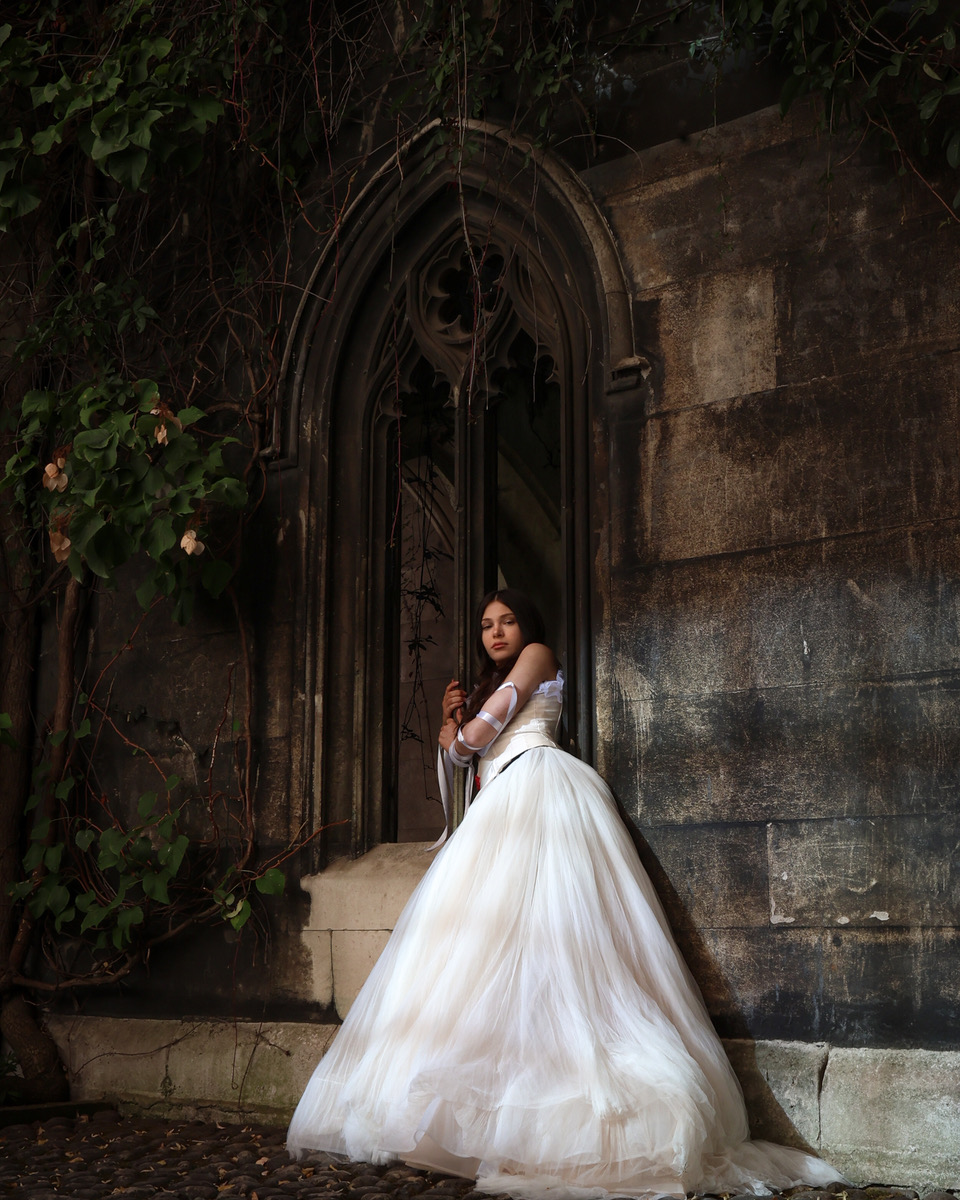
This relationship between clothing and location is central to the project’s appeal. The architecture does not simply function as a background; it becomes part of the image’s visual language. The contrast between the setting and the garment encourages viewers to consider how surroundings influence the interpretation of fashion.
Fashion as Visual Storytelling
For Ruby Jackson, fashion photography offers a way to communicate beyond the garment itself. Mood, location and human expression become part of the storytelling process, allowing a series of images to develop an identity through the relationship between its different elements.
This approach moves away from viewing fashion photography solely as a presentation of clothing. Instead, it treats the photograph as a space in which design and environment can interact, producing an image that carries a particular atmosphere and invites interpretation.
The dark, cinematic direction establishes a distinctive visual framework. The cathedral setting and Frankenstein-inspired dress bring together elements that are not conventionally paired, creating an opportunity to explore contrast through imagery. The garment’s unconventional character is placed within an architectural environment that gives it a different visual context.
Rather than relying on a literal narrative, the project allows the relationship between the garment and its surroundings to create its own visual tension. The result is an editorial that invites the viewer to engage with the imagery and interpret the atmosphere it establishes.
Between Architecture and Fashion
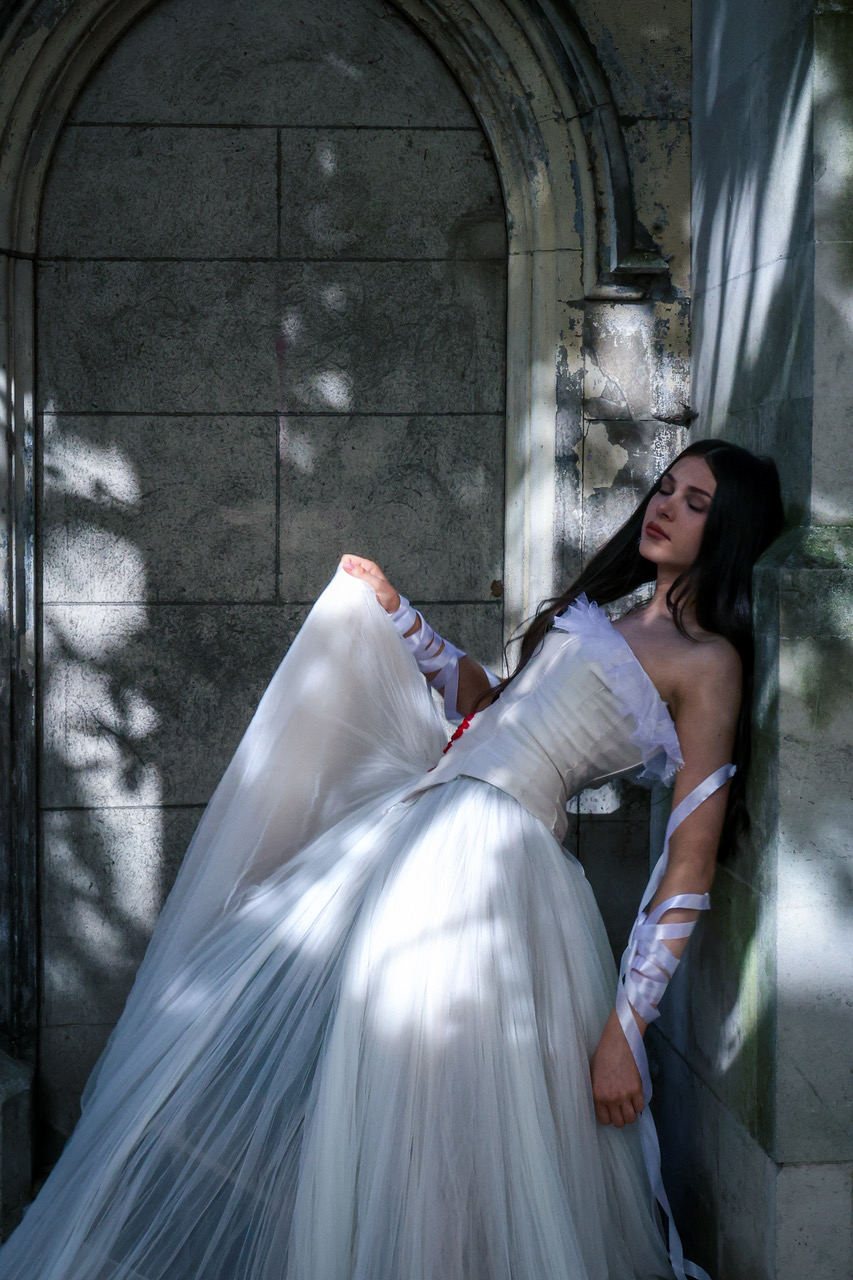
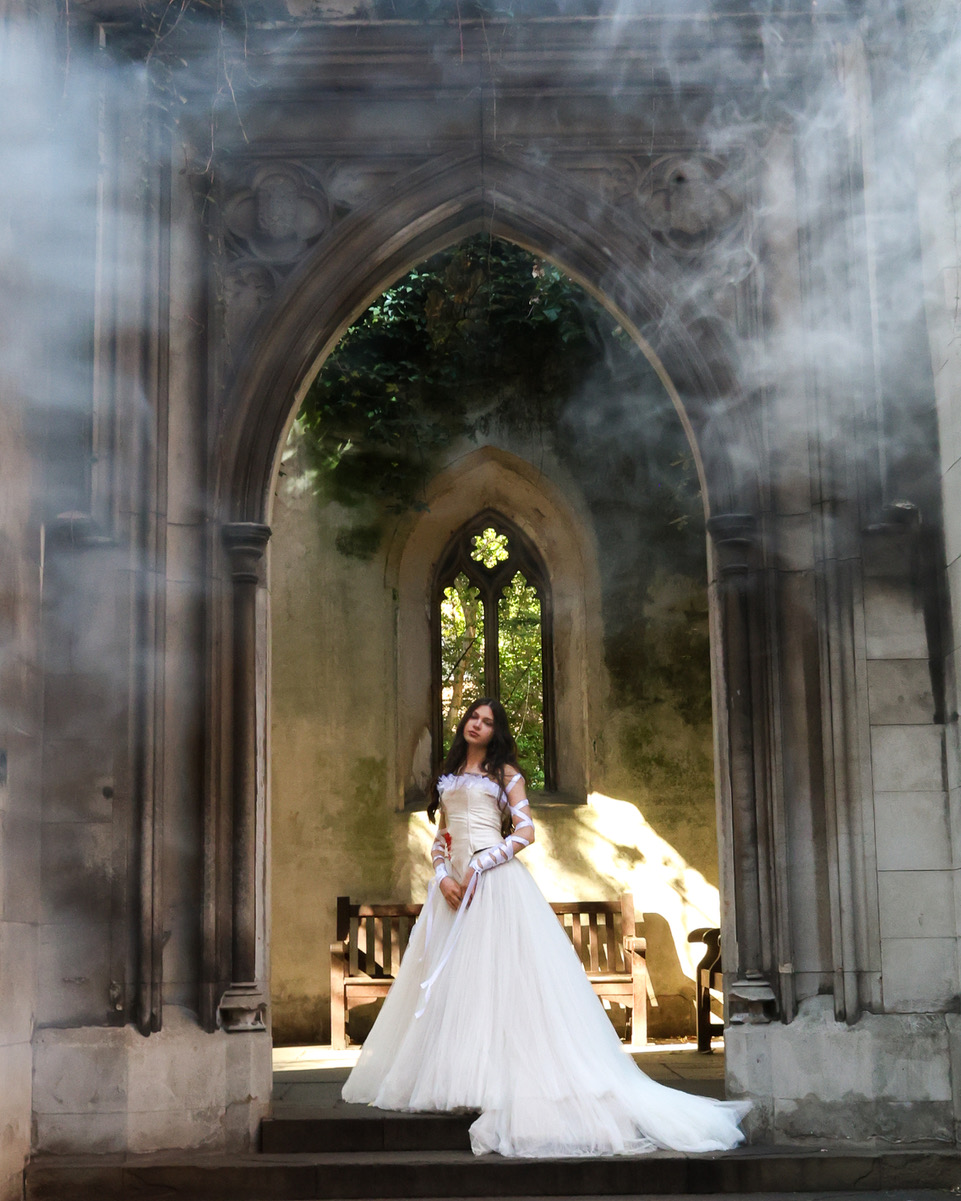
Location plays an important role in shaping fashion imagery. A space can introduce scale, texture and atmosphere, influencing how the viewer perceives the clothing within it. In Ruby’s editorial, the cathedral provides a setting that contrasts with the unconventional garment, allowing the project to explore the visual tension between architecture and fashion.
That tension is what makes the pairing compelling. Rather than relying on a conventional fashion setting, Ruby places the garment within a space that changes the way it is experienced. The relationship between the two becomes part of the story, giving the images a sense of place and a distinctive visual identity.
The Frankenstein inspiration adds another layer to this approach, positioning the dress as a central element of the editorial’s unconventional character. Combined with the cathedral setting, it supports a darker visual direction that leaves room for interpretation without depending on a literal narrative.
Collaboration and Creative Expression
The project also reflects the collaborative nature of fashion image-making. Ruby Jackson conceptualised the editorial, while the garment was designed by a friend, bringing a separate creative practice into the visual outcome. The collaboration demonstrates how different contributions can come together within a shared visual concept.
Ruby’s interest lies in combining garments, mood and human expression to communicate ideas through fashion photography. This editorial offers an example of that approach, using the relationship between a distinctive garment and its surroundings to establish its atmosphere.
By bringing together fashion and architecture, the project considers how a creative concept can extend beyond the clothing itself. The location provides context, the garment introduces character, and the photographic presentation brings these elements together into a cohesive visual experience.
A Darker Perspective on Fashion Imagery
Through its cathedral setting and Frankenstein-inspired design, Ruby Jackson’s editorial explores the possibilities that emerge when fashion is placed outside its expected context. The contrast between architecture and garment gives the project its defining character, while its cinematic direction reinforces Ruby’s interest in atmosphere and visual storytelling.
Presented as part of ICONNER Magazine’s Community Editorials, the project highlights an independent creative approach that considers how fashion, location and expression can work together. It invites viewers to look beyond the garment itself and consider the wider visual world created around it.