Dorarta Bislimi: Looking Beyond the Image
Published October 21, 2026
The Art of Looking
For painter Dorarta Bislimi, the act of looking is where a painting begins. Rather than treating an image as something to be understood at first glance, she is interested in what becomes visible when we spend more time with it. Through subtle relationships between form, light, memory, and perception, her practice considers how painting can hold an experience beyond its immediate appearance.
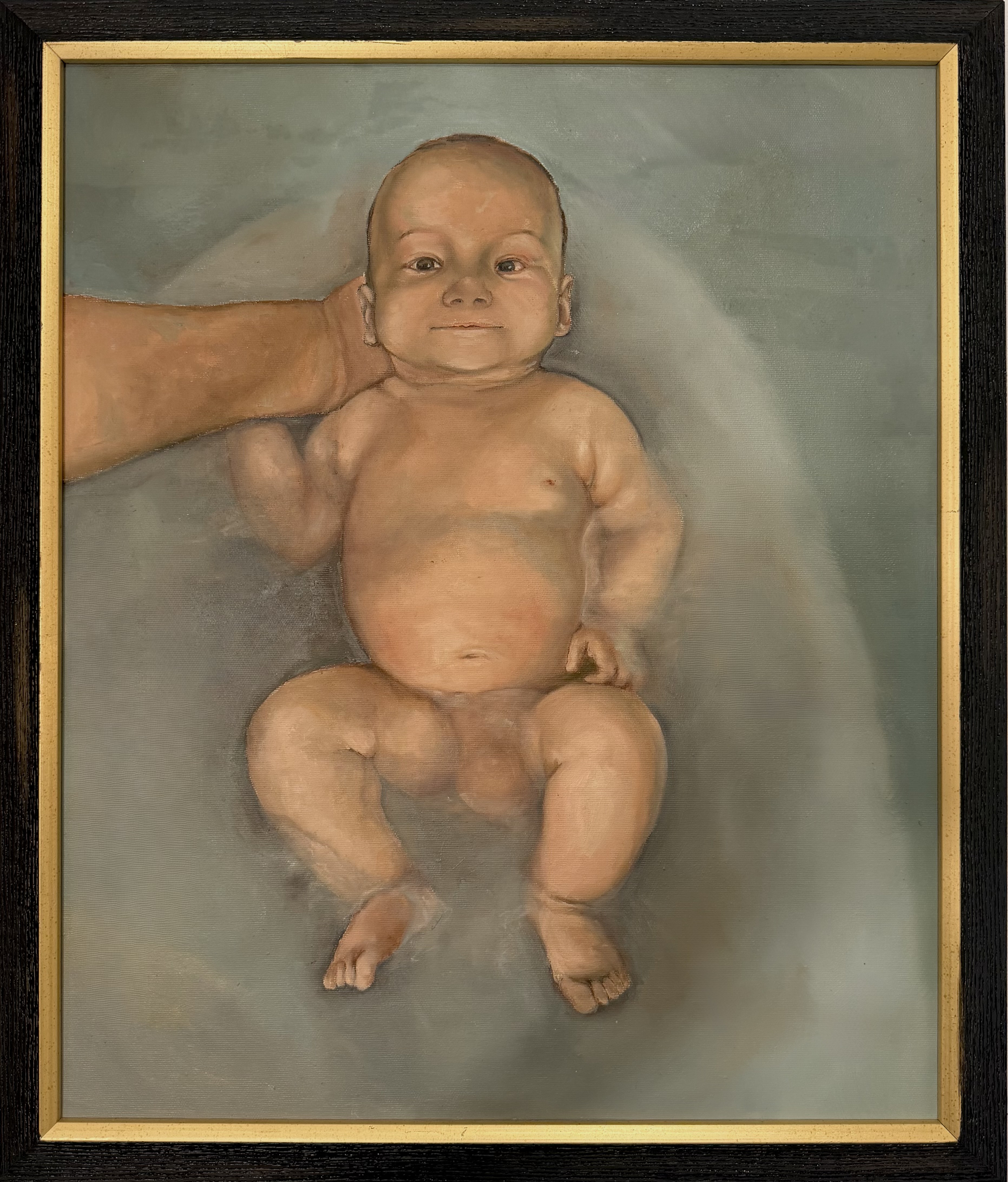
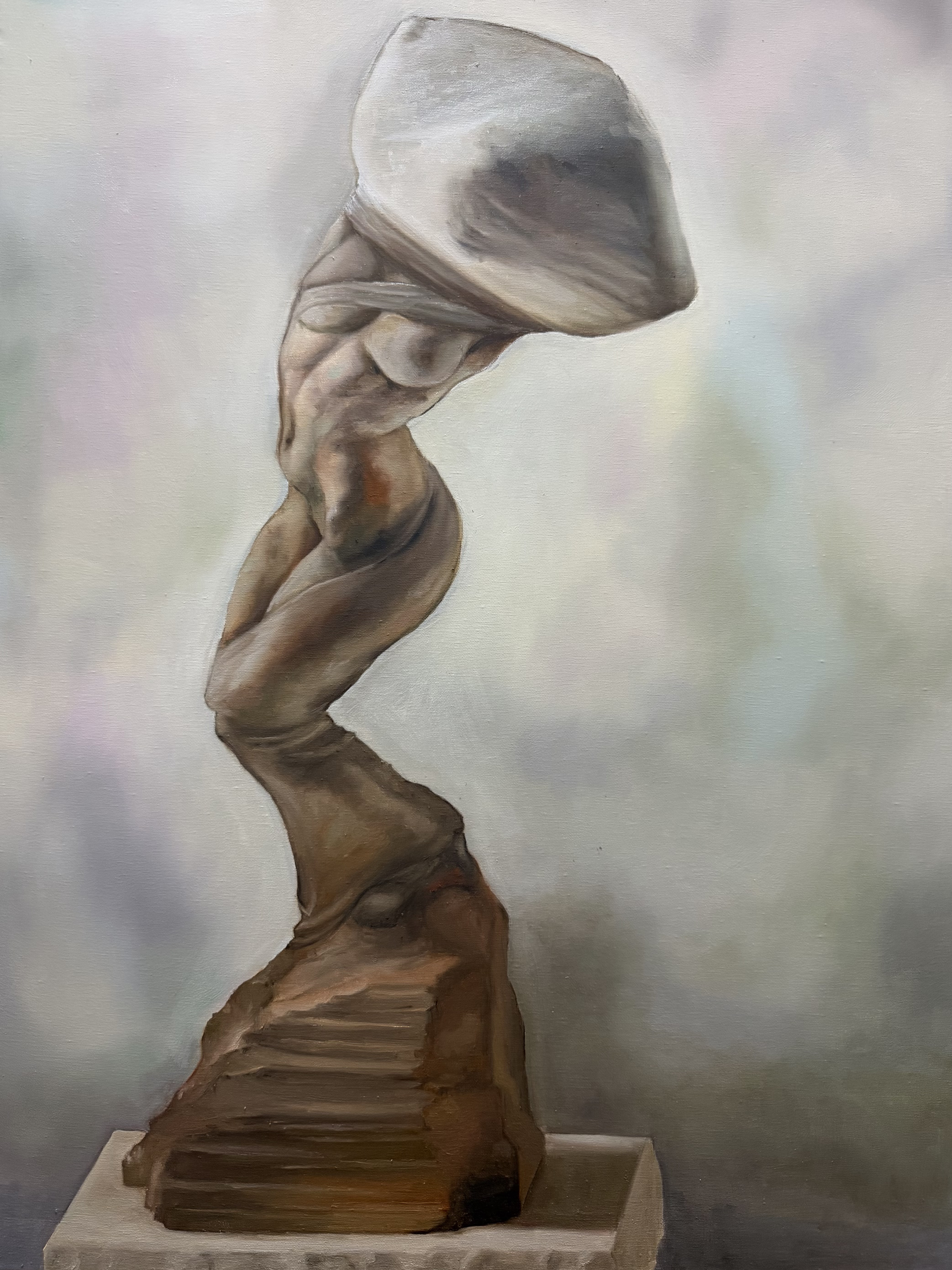
Her selected works, including Untitled (Hands, 2025), Untitled (Infant, 2026), and Untitled (Sculptural Figure, 2026), approach the human figure through different subjects and visual considerations. Yet they share a common interest in presence: how a body occupies space, how a gesture carries meaning, and how physical form can suggest something that extends beyond what is directly represented.
This approach gives observation an important role in her practice. A hand, a face, or the shape of a figure becomes more than a subject to reproduce. Each offers an opportunity to examine the relationship between what we see and what we feel, allowing an image to remain open to interpretation rather than being confined to a single narrative.
The Body as a Record of Experience
In Bislimi’s recent figurative paintings, the body becomes a way of exploring vulnerability, tenderness, and the traces of human experience. Her work moves between careful attention to physical qualities and an interest in the emotional associations that accompany them.
This relationship is particularly evident in Untitled (Infant, 2026), a portrait of her nephew. The painting emerged from two connected impulses: the desire to preserve a personal memory and the opportunity to study the anatomy and physical characteristics of infancy. Neither aspect exists entirely apart from the other. The intimacy of the subject meets the painter’s observational attention, bringing personal experience into conversation with the formal concerns of figurative painting.
There is something significant in this intersection between memory and study. A portrait can preserve the presence of someone at a particular moment, yet painting also asks the artist to examine that presence through shape, light, and proportion. The subject is both personally meaningful and visually complex.
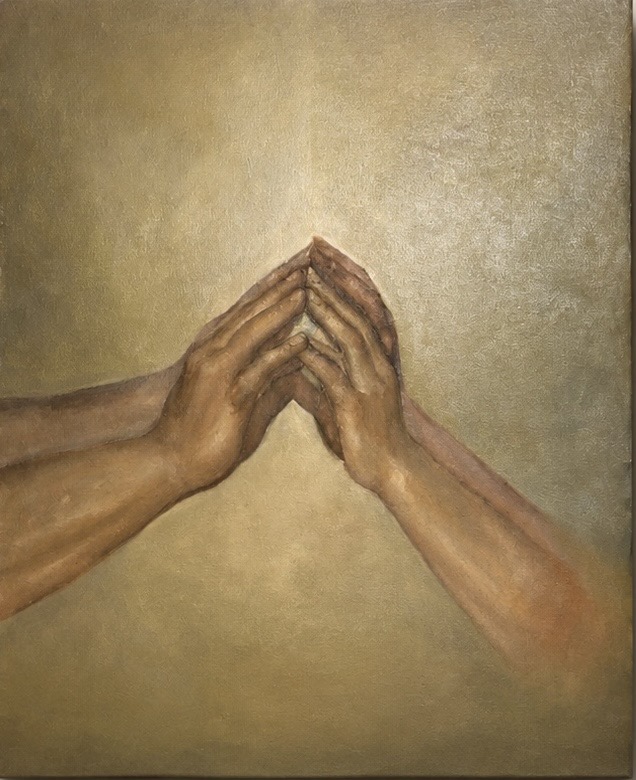
In Untitled (Hands, 2025), the focus shifts towards gesture. Hands have a particular expressive potential: they can suggest tenderness, tension, movement, or stillness without requiring an explicit story. By directing attention towards a part of the body often overlooked in everyday encounters, Bislimi explores how physical details can communicate beyond language.
Her Untitled (Sculptural Figure, 2026) extends this interest in bodily presence through form and materiality. Here, the figure offers another way to consider how shape and physical structure can hold attention. Across these works, the human body is not simply an object to be observed, but a means of considering the complexity of being present in the world.
A Continuing Dialogue with Art History
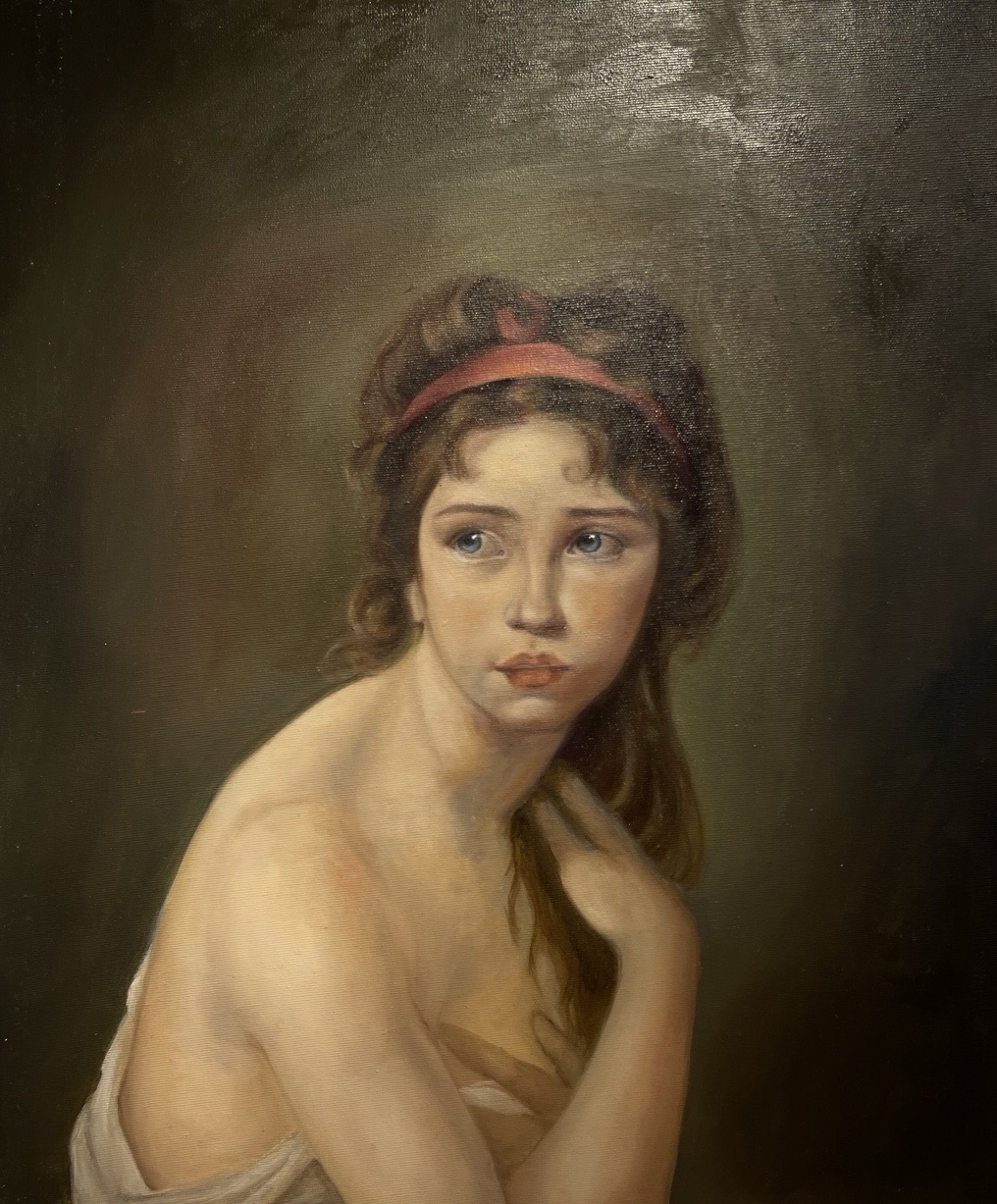
Alongside her original figurative works, Bislimi’s practice includes a study after Élisabeth Louise Vigée Le Brun’s Julie Le Brun as a Bather. This engagement with an earlier painter introduces another dimension to her understanding of observation: the opportunity to study how images have been constructed within different artistic traditions.
For Bislimi, working after a historical painting is not merely a technical exercise. It offers a way to examine the decisions that shape an image, from the treatment of form to the organisation of its visual elements. Looking closely at another artist’s work becomes a method of learning how painting communicates and how its visual language develops.
The act of studying an established work also creates a relationship between past and present. Historical paintings remain connected to the circumstances and artistic approaches from which they emerged, but they can continue to inform artists working in different contexts. Returning to these images allows their formal decisions to be reconsidered, not simply repeated.
This dialogue is particularly relevant to a practice grounded in looking. Whether she is studying a historical composition or observing a contemporary subject, Bislimi approaches painting as a process of sustained attention. The image becomes a space in which artistic knowledge is examined, absorbed, and interpreted through individual practice.
Between Personal Memory and Visual Representation
The relationship between personal experience and formal observation runs throughout Bislimi’s selected works. Her portrait of her nephew begins with an intimate connection, while her paintings of hands and the sculptural figure explore how the body can communicate through gesture and form. Her study after Vigée Le Brun, meanwhile, directs attention towards the continuing influence of art history.
These subjects differ, but they share an underlying question: what can an image reveal beyond what it immediately shows?
Painting offers a way to remain with that question. Unlike an encounter that passes in an instant, the painted image invites repeated looking. Details can become more apparent over time, and the relationship between a subject’s physical presence and its emotional associations can shift with each encounter.
This does not mean that every painting needs to communicate a fixed message. In Bislimi’s practice, the value of observation lies partly in its openness. A gesture does not need to resolve into a narrative to become meaningful, just as a portrait does not need to explain everything about its subject to preserve a sense of presence.
Instead, her work creates room for the viewer to participate in the act of looking, bringing personal associations and interpretations to images shaped by the artist’s own attention.
Allowing the Image to Remain
Across her selected paintings, Dorarta Bislimi returns to the possibilities of figurative art as a way of examining human presence, memory, and perception. Her subjects range from the intimacy of family to the expressive potential of gesture and the study of historical painting, yet her approach remains rooted in the belief that looking can reveal more than an image’s immediate appearance.
The result is a practice that brings together personal experience and careful visual study. Vulnerability and tenderness emerge alongside questions of form, while historical references become part of an ongoing conversation about how images are made and understood.
For Bislimi, painting allows an image to remain with us. It asks us to slow down, to notice what might otherwise pass unseen, and to consider how visual representation can hold both the physical qualities of a subject and the emotions associated with it.
In a world where images are often encountered quickly and forgotten just as easily, this sustained attention becomes meaningful in itself. Her work reminds us that looking is not simply the act of seeing something, but the beginning of understanding what an image might hold.
Artist: Dorarta Bislimi
Instagram: @dorartabislimi