Kenza Squalli: Where Art, Heritage and Architecture Find Common Ground
发布于 2026年10月30日
Creativity rarely develops along a straight path. For Kenza Squalli, founder of K-STUDIO, it has emerged through a lifelong relationship with art, an appreciation for craftsmanship, and professional experiences spanning fashion, luxury, trend forecasting, and design. Moving between disciplines and cultural influences, she has developed an approach to interior design that places emotion and individuality alongside aesthetics.
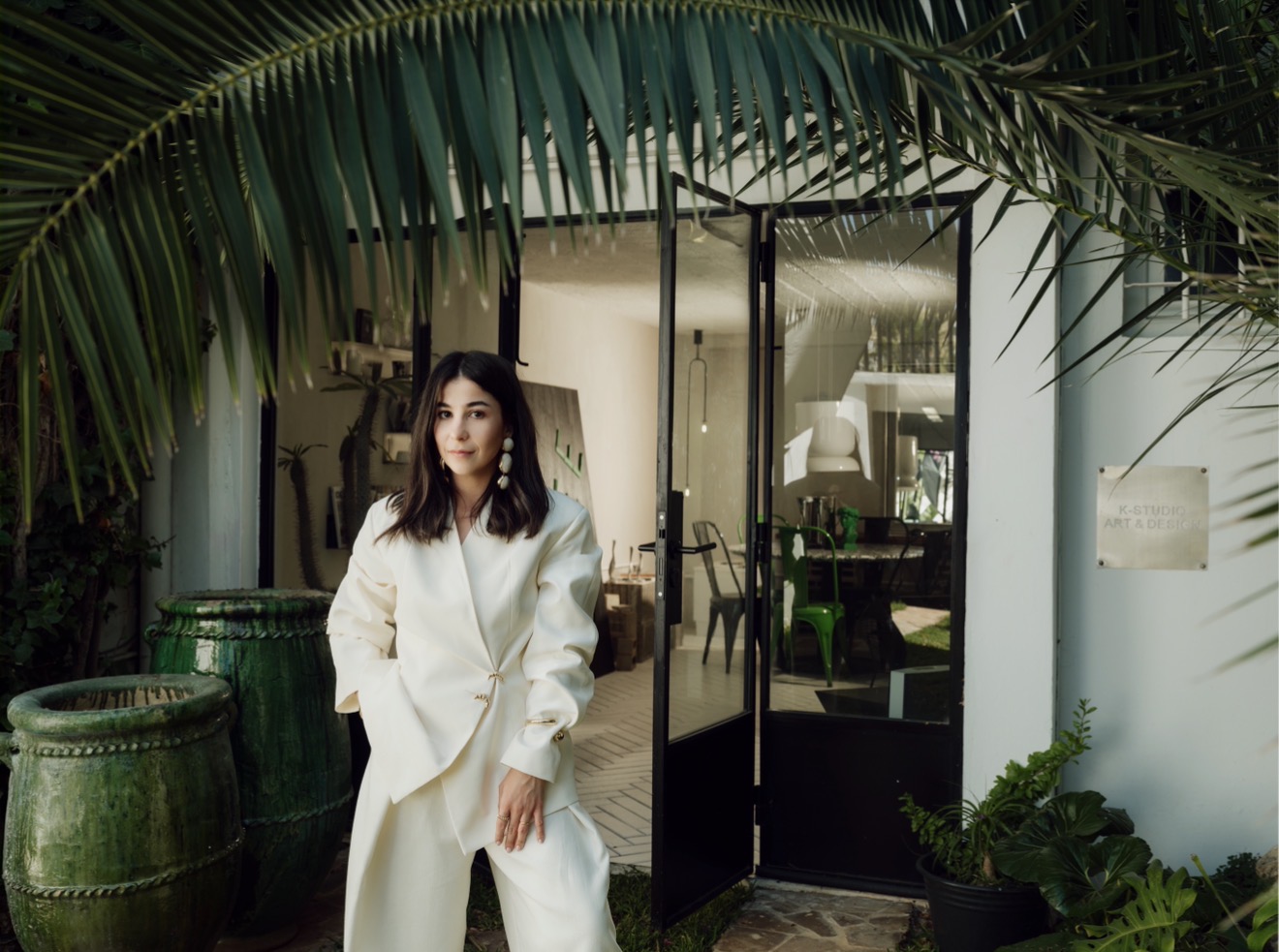
Her work is guided by a belief that a space should be more than a visually pleasing arrangement. It should have an identity of its own, reflect the people who inhabit it, and create a connection that extends beyond its physical appearance. Through K-STUDIO, Kenza brings together art, architecture, materials, and personal expression to create environments that feel considered and distinctive.
A Creative Journey Beyond One Discipline
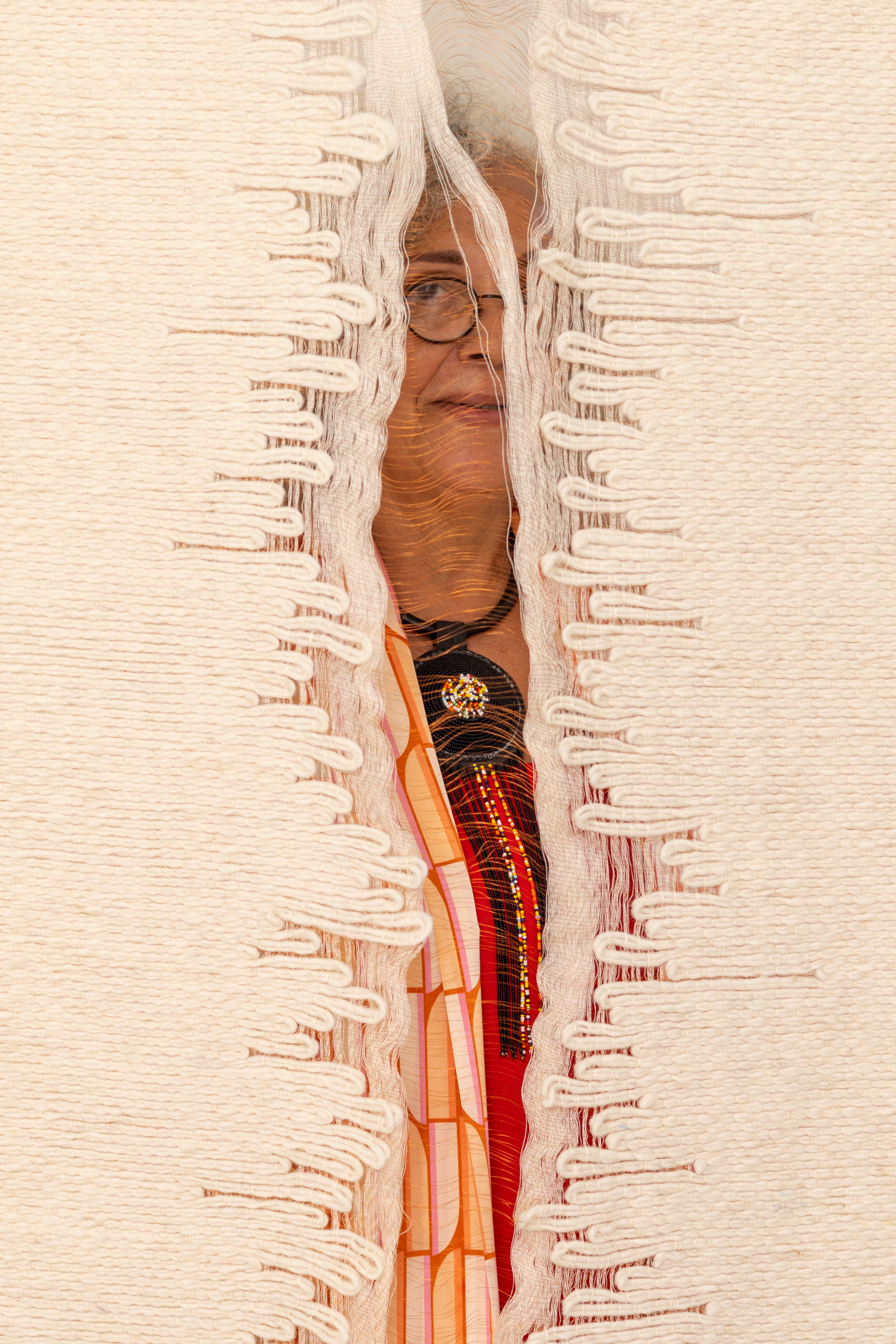
Art was the beginning of Kenza’s creative journey. She has been painting since the age of four, initially treating it as a personal practice rather than a professional direction. Her sensitivity to aesthetics and materials was also shaped by her family. Her grandmother, a seamstress known for her attention to detail and perfectionism, passed down an appreciation for fabrics, caftans, embroidery, and the care involved in creating something by hand.
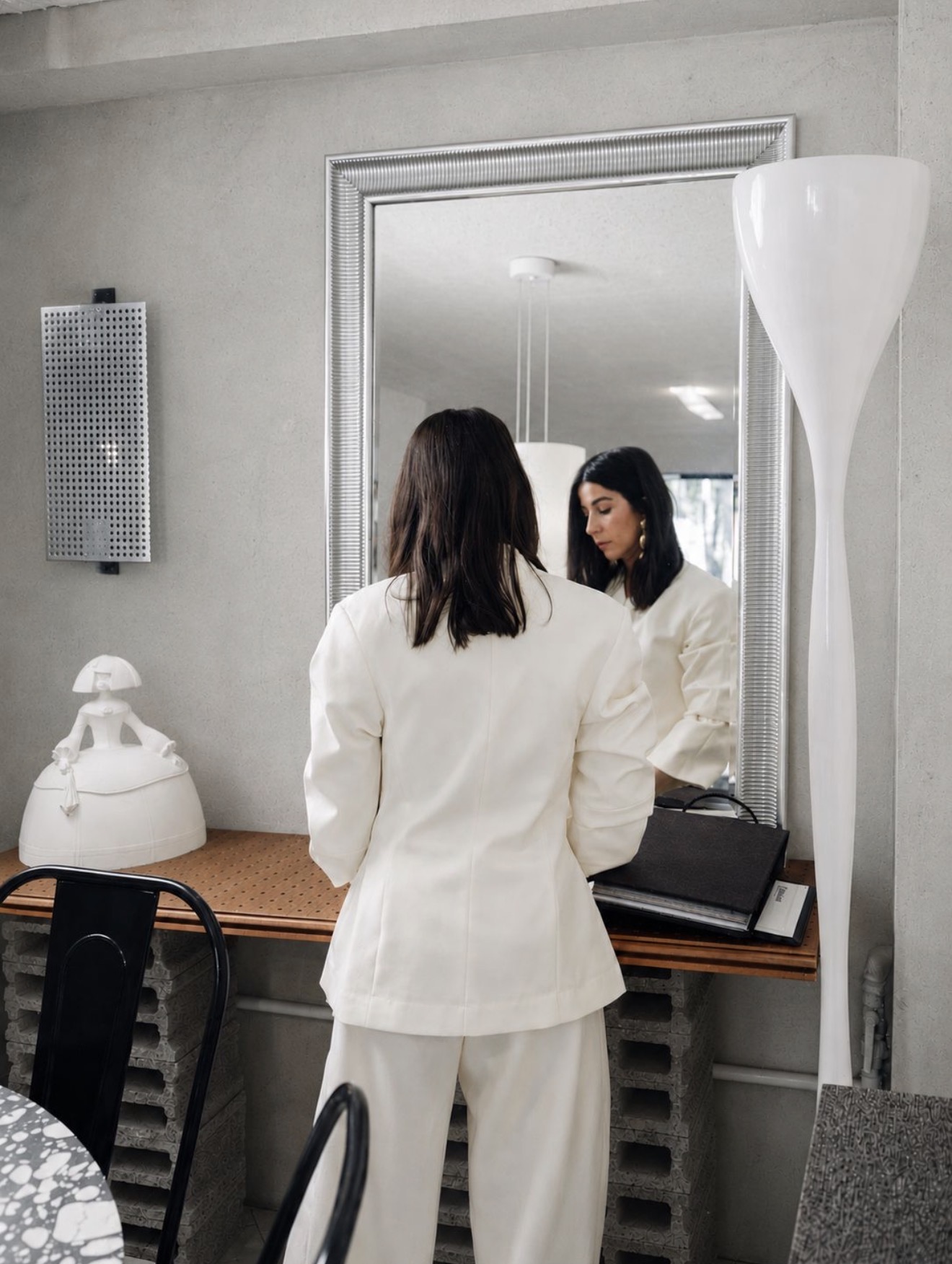
These early influences established a relationship with craftsmanship that continues to inform her work. Over time, this sensibility expanded through experiences across fashion, luxury, niche perfumery, design, and trend forecasting. Working in international creative environments, including Paris and New York, introduced her to different ways of observing culture and understanding how emerging social movements could influence fields ranging from fashion and beauty to interiors and architecture.
For Kenza, these experiences gradually transformed her understanding of aesthetics. Beauty became less about visual coordination and more about the way people experience their surroundings through sight, touch, sound, and smell. The objects we choose to live with, she believes, should carry personal meaning. An artwork does not need to match the colours of a room; it deserves a place because it moves someone, creates a connection, or holds a particular significance.
It is this multidisciplinary perspective that now comes together through K-STUDIO.
The Philosophy Behind K-STUDIO
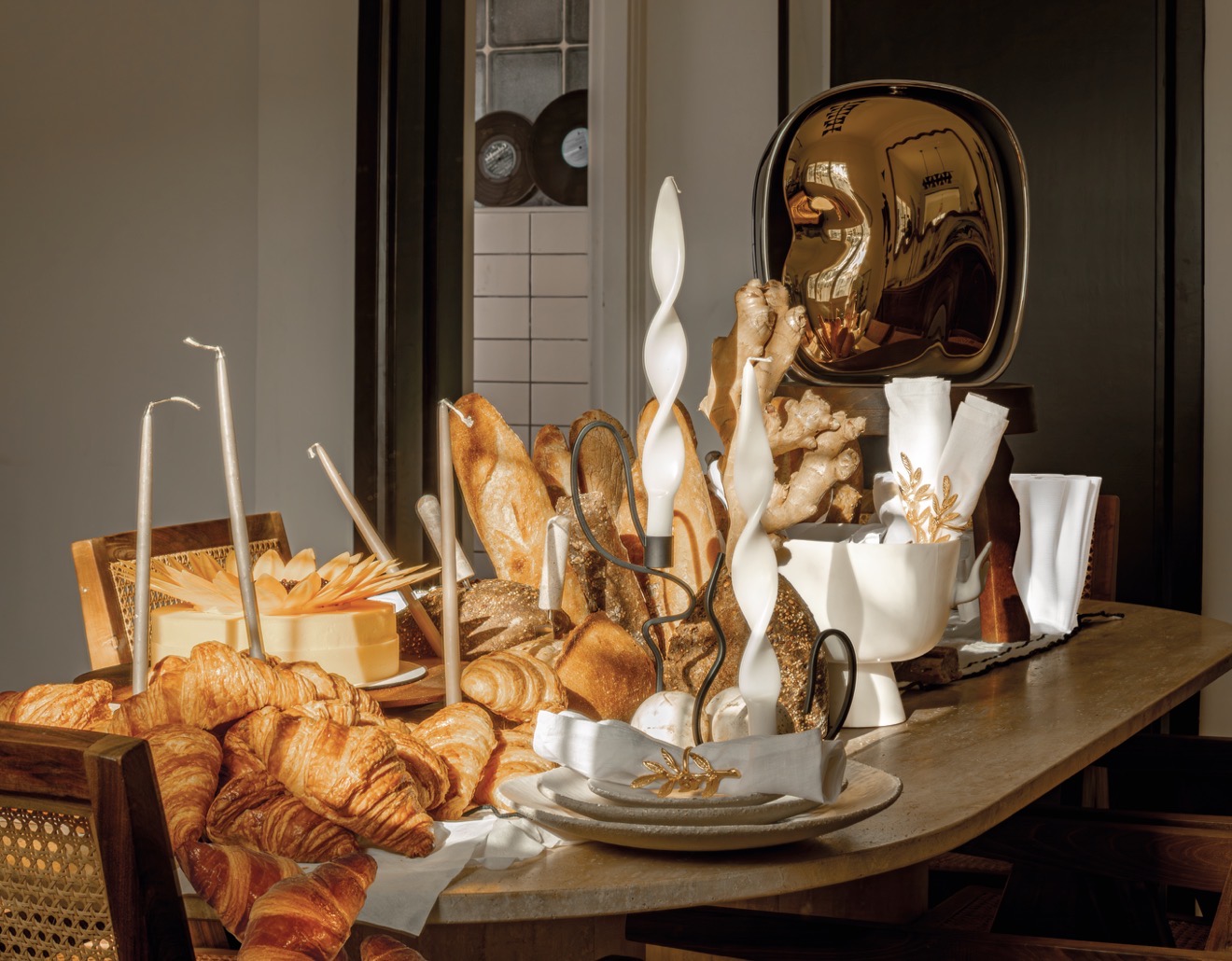
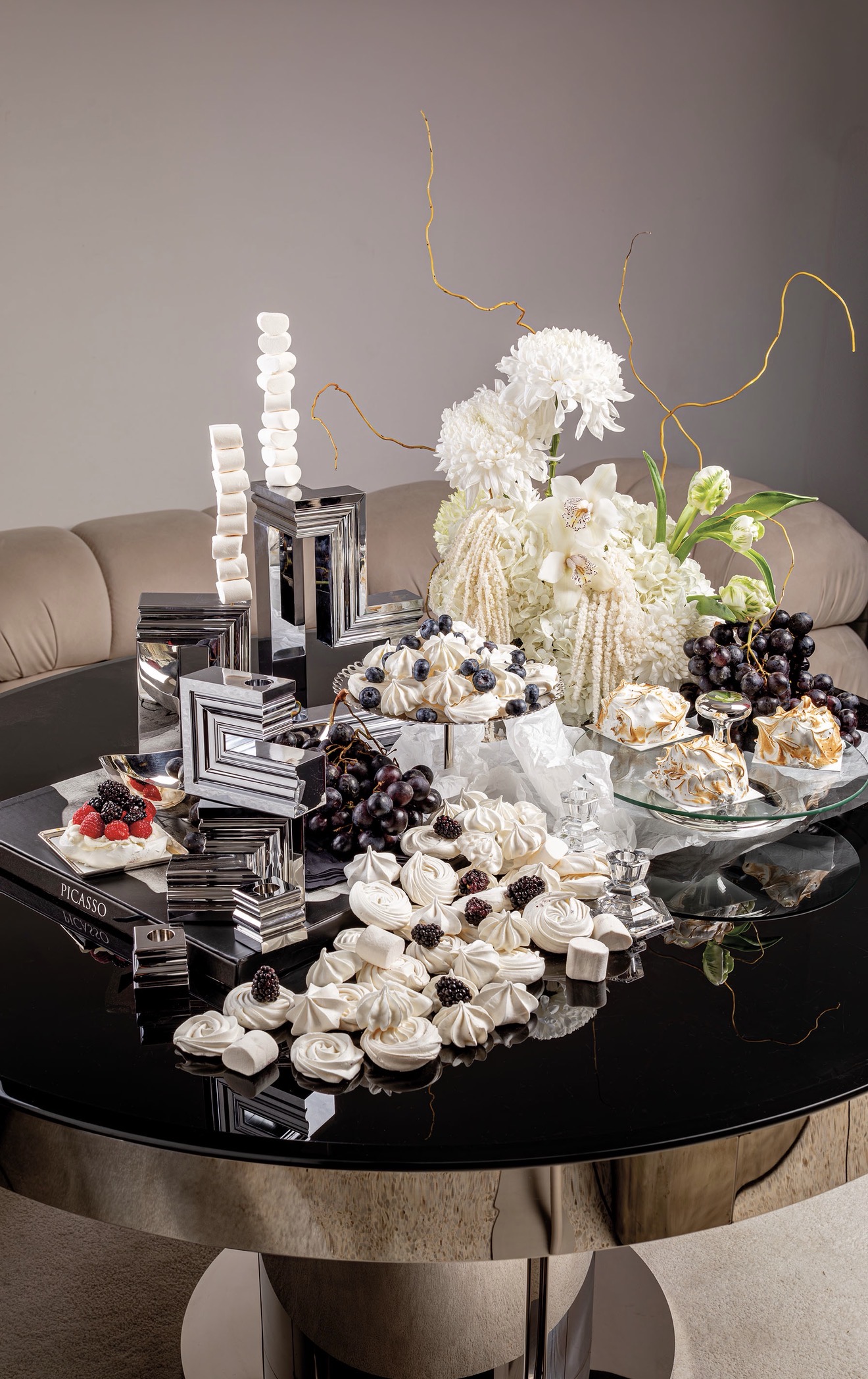
At the centre of K-STUDIO is the idea that a space should have a soul, a strong identity, and an emotional connection with the people who inhabit it. Kenza is not interested in interiors that simply follow trends or resemble carefully arranged showrooms. Instead, her process begins with understanding the personality, lifestyle, sensibility, and aspirations of each client.
She describes every project as the meeting of two identities: her own creative perspective and that of the person she is designing for. The result should not be a repetition of a recognisable signature, but a new creative outcome shaped by that particular encounter. This is why her approach does not depend on making every project look alike. Its consistency lies in the way different influences and perspectives are brought together.
Her relationship with art is especially important to this philosophy. Rather than treating artworks as decorative additions, she considers their emotional and personal significance. A piece can challenge the aesthetic of a room or introduce an unexpected contrast. What matters is the connection it creates, not whether it completes a perfectly coordinated composition.
Moroccan Heritage, Sicilian Roots and a Contemporary Language
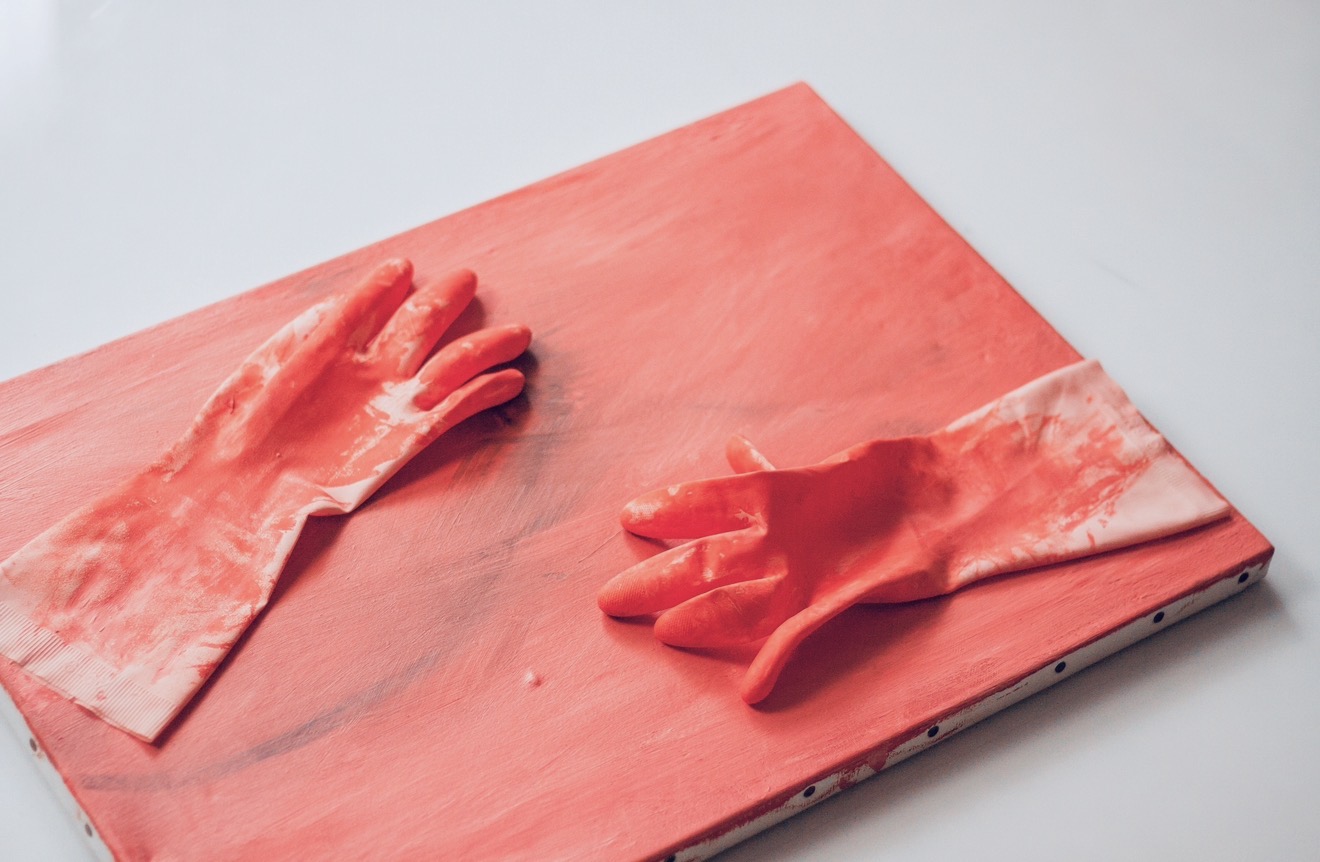
Kenza’s creative identity is also shaped by two cultural backgrounds: her Moroccan heritage and Sicilian roots. Her connection to Sicily is linked to her family history, which traces its origins back several centuries. She describes feeling an unexpected familiarity during her first visit, reflecting on the possibility that cultural connections and sensibilities can be passed between generations.
Her relationship with Morocco, meanwhile, is rooted in lived experience and a strong sense of pride. Her family comes from Fez, where visits during childhood introduced her to the richness of Moroccan artistic traditions. Zellige, embroidery, traditional dyeing techniques, and the precision of local craftsmanship left a lasting impression.
These influences are not simply stylistic references in her work. They form part of what she describes as her inner landscape, shaping how she perceives materials, colour, texture, and artistic expression.
Casablanca also occupies an important place in her creative foundations. Born and raised in the city, Kenza grew up surrounded by its distinctive architectural heritage, particularly its Art Deco buildings. Their lines, proportions, and visual character became part of her everyday environment long before she pursued design professionally. Her early introduction to Impressionism and oil painting further developed her interest in the relationship between colour, depth, and volume.
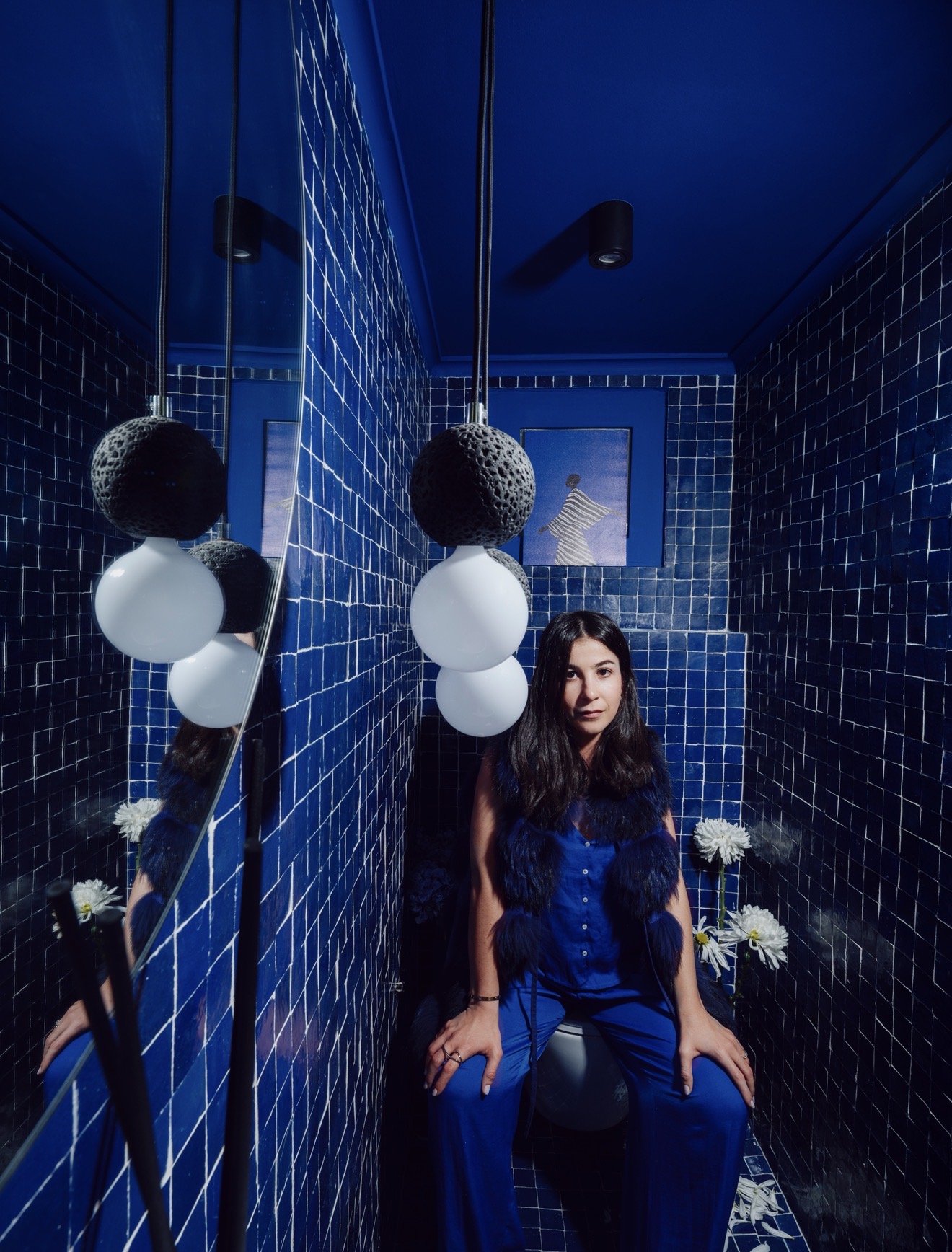
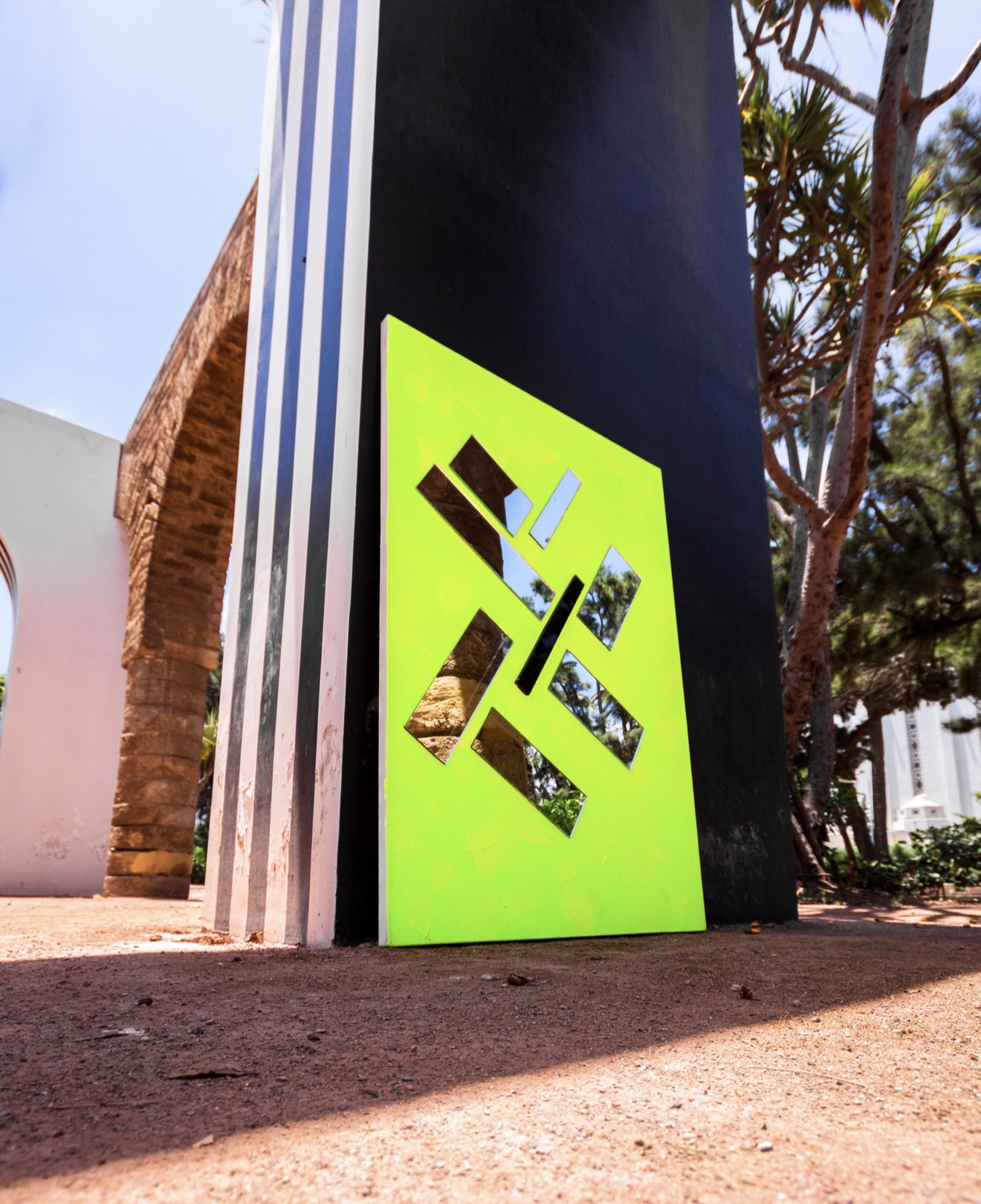
This background informs her approach to Moroccan craftsmanship. For Kenza, materials such as zellige, carved wood, and traditional plasterwork carry knowledge, history, and cultural memory. Respecting these traditions does not mean reproducing them exactly as they have always been used. Instead, she is interested in allowing them to enter contemporary spaces through new proportions, contrasts, and combinations. Heritage, in her view, should remain alive rather than become frozen in time.
Designing an Atmosphere
Kenza approaches a space as an experience rather than simply a composition. Before considering individual elements, she thinks about the atmosphere a project should create and how people will move through and respond to it.
Light, materials, textures, colours, furniture, and artworks all contribute to this experience. Their significance lies in their relationship with one another: how a material reflects or absorbs light, how a surface changes the perception of a room, or how a sculptural object can alter the balance of an entire composition.
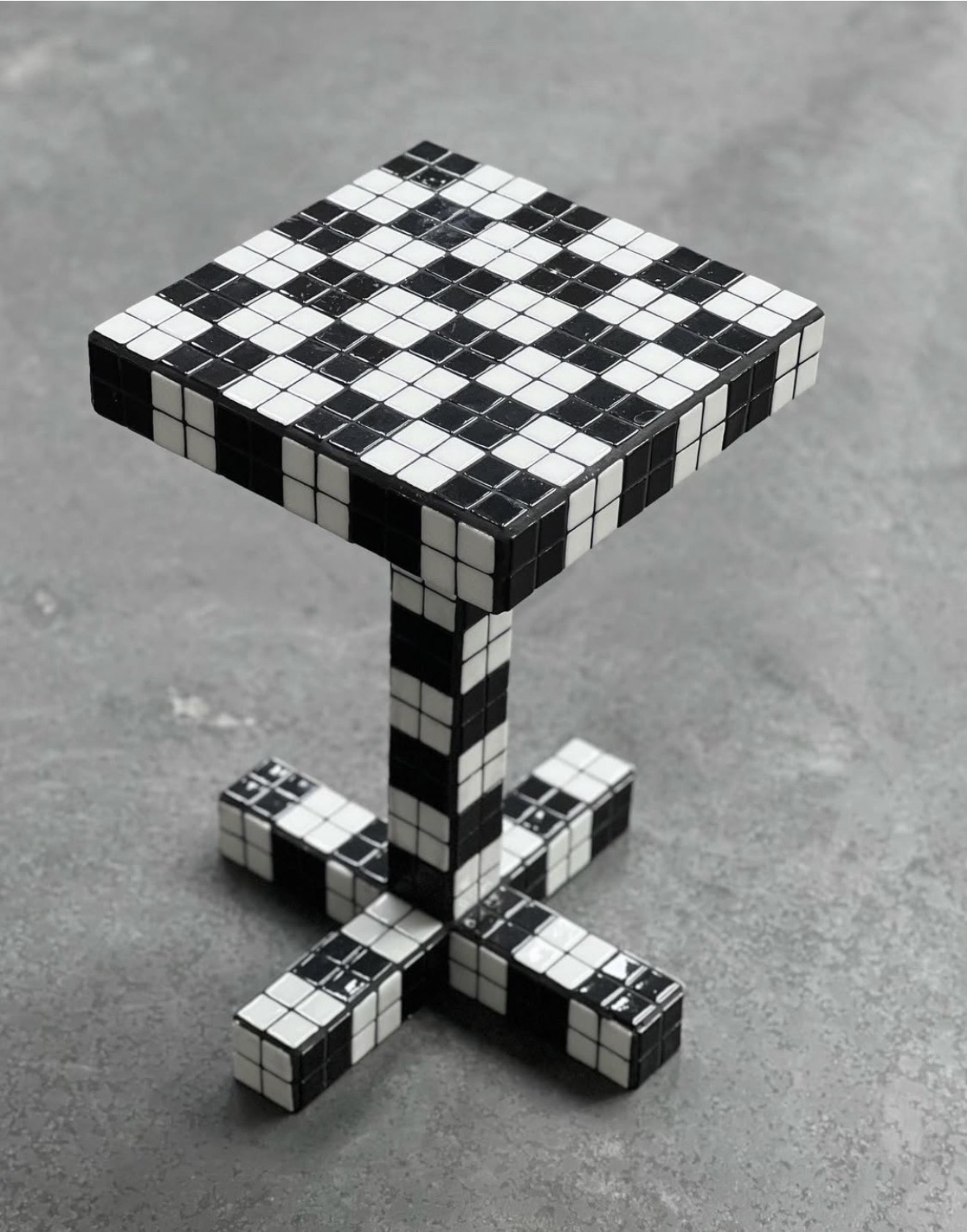
Her artistic practice plays an important role here. Painting allows her to explore colour, contrast, volume, and visual tension more intuitively, while interior design asks her to translate those ideas into environments that are lived in and experienced. The relationship also works in the opposite direction. Architecture and interiors have deepened her understanding of scale, spatial relationships, and the way an artwork is perceived within its surroundings.
Neither discipline necessarily comes first. Sometimes an idea begins on the canvas; at other times, it emerges from an architectural detail, a material, or the experience of a space. For Kenza, the two practices remain distinct while continually enriching one another.
The Art of Reinterpreting an Existing Space
This philosophy became particularly tangible when Kenza renovated her own Art Deco house in Casablanca. She recalls an idea expressed by Japanese architect Kazuo Shinohara that has always resonated with her: the house as a work of art. It reflects her belief that a home should be approached as a complete architectural composition rather than simply a space to decorate.
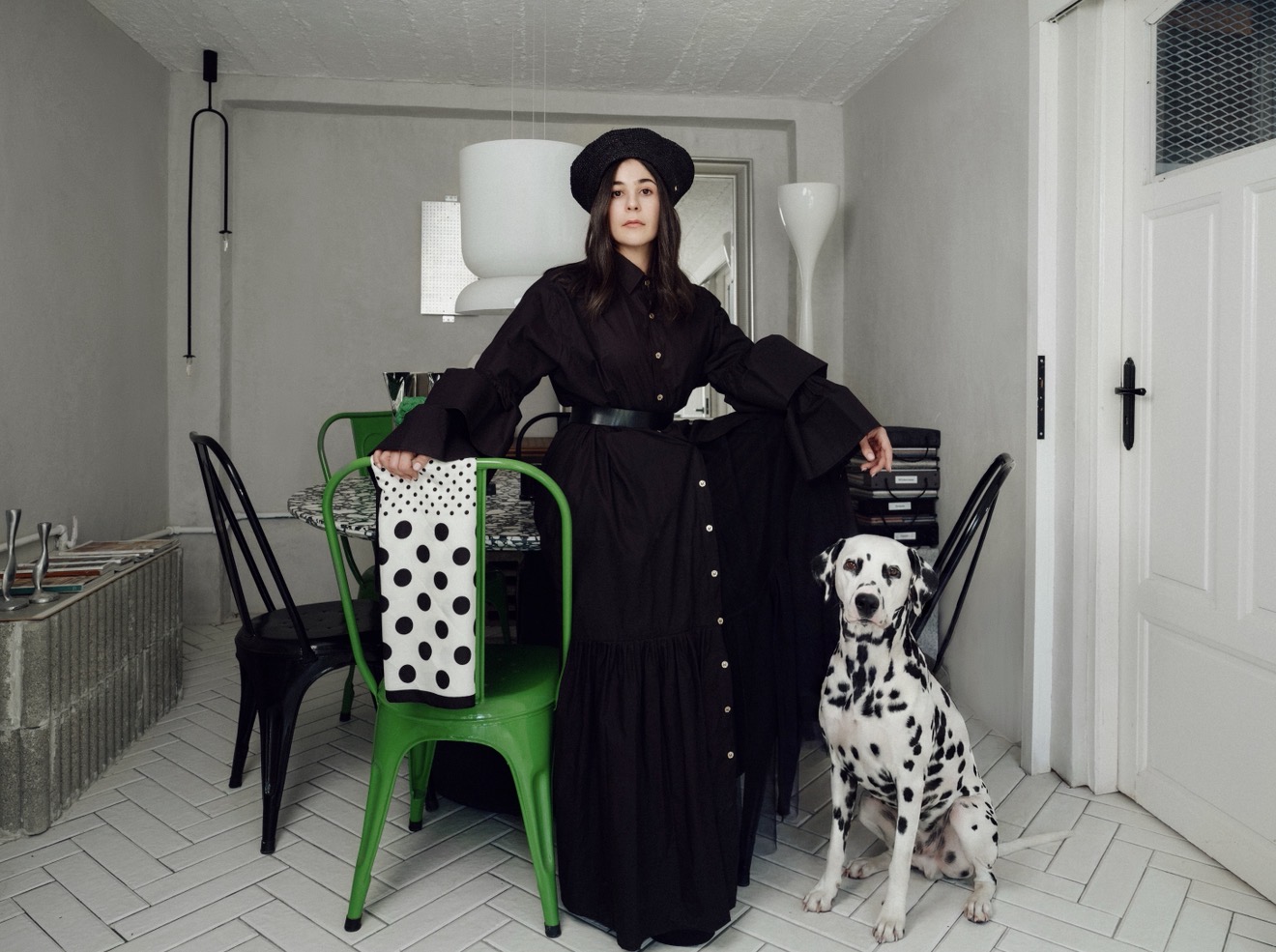
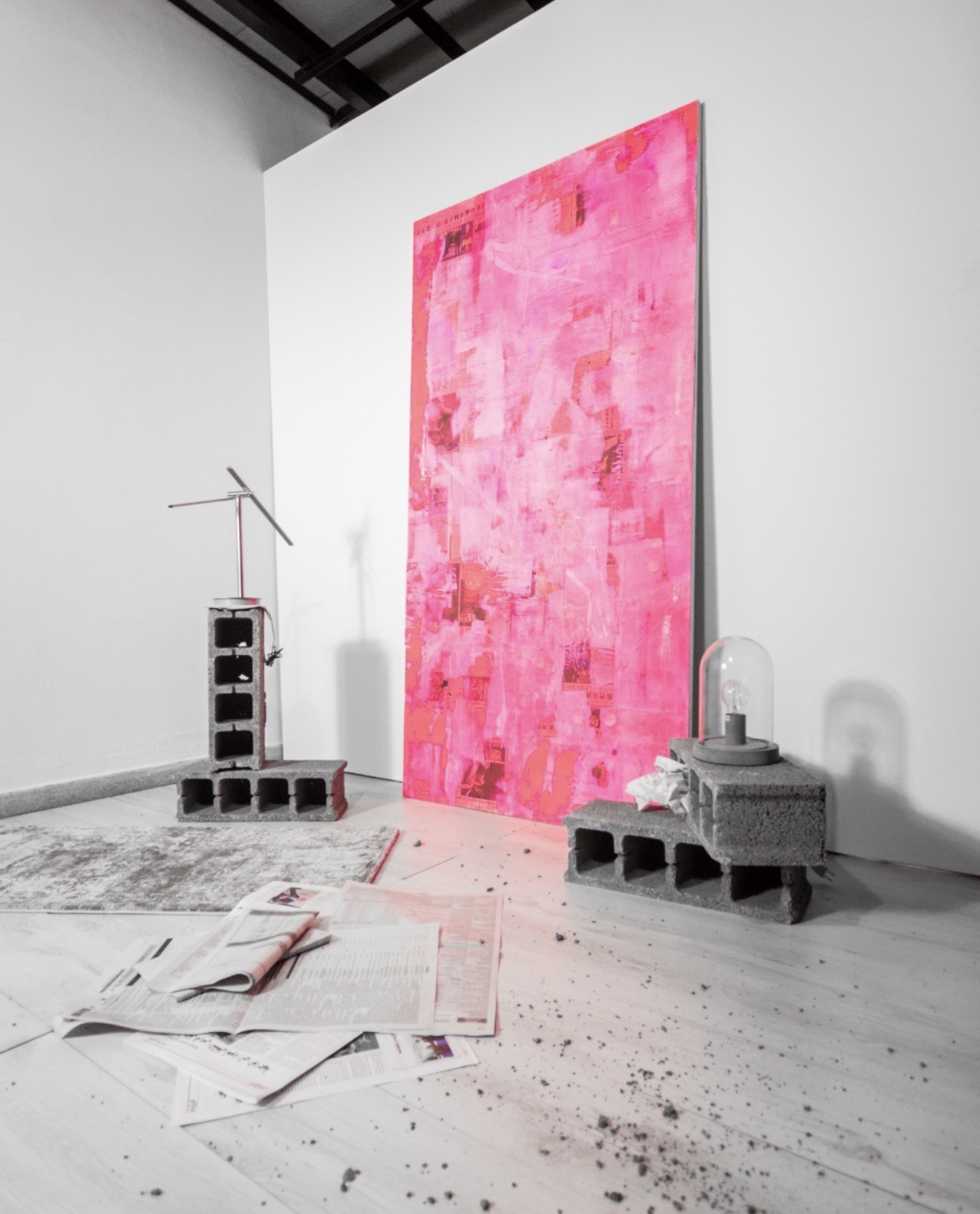
Two existing elements became central to the renovation: the original terrazzo flooring and the generous ceiling height. Rather than treating them as features to preserve in passing, she used them as the foundations of the design concept. Their material character, proportions, and relationship with the space informed the decisions that followed.
Having grown up in a city marked by Art Deco architecture, she already had a personal connection to this language. The renovation therefore offered an opportunity to reinterpret a familiar architectural heritage through her own perspective without erasing the character of the house.
The experience reinforced her belief that successful renovation begins with understanding what is already there. Every building has its own language, expressed through its proportions, materials, volumes, and architectural details. The designer’s role is to recognise what makes a place distinctive and bring that character into dialogue with contemporary life.
Two Italian Roots, One Contemporary Language
Kenza’s interest in bringing different disciplines and cultural references together also informed her recent curatorial work for the Cattelan Italia flagship showroom in Casablanca, presented as part of Morocco Design.
Titled Two Italian Roots. One Contemporary Language, the project explored the relationship between Cattelan Italia’s Italian design heritage, Kenza’s Sicilian roots and Moroccan identity, and the artistic practices of artists represented by AA Gallery, including Christophe Miralles, Jamil Bennani, and Abderrahmane Rahoule.
Rather than approaching the showroom as a conventional furniture display, Kenza conceived it as an artistic environment where collectible design and contemporary art could interact. Her curatorial approach focused on dialogue rather than uniformity, allowing each work to retain its identity while creating relationships through composition, contrast, materiality, and visual presence.
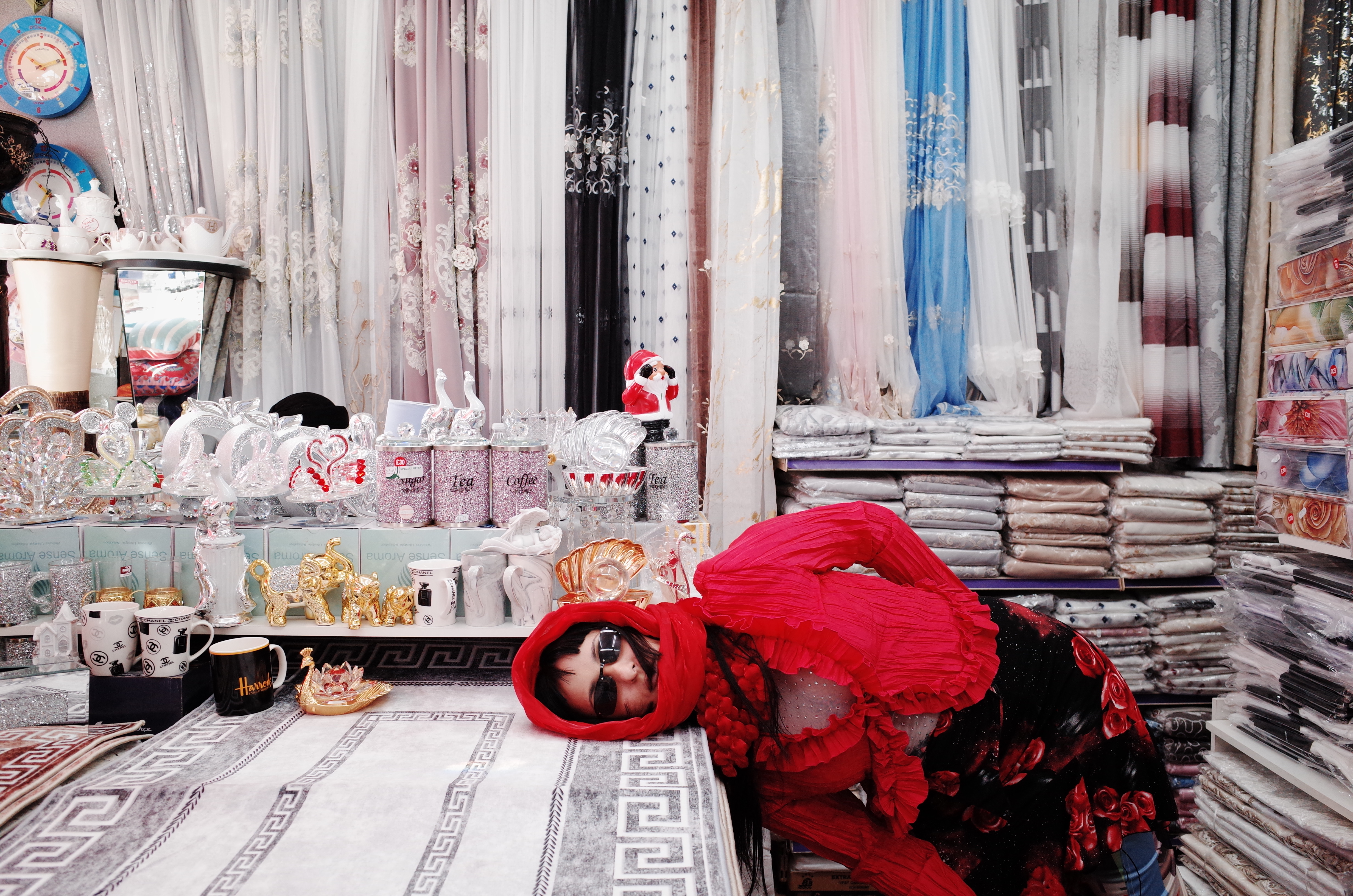
Her own artworks, which explore themes including fashion codes and the female image, became part of this wider conversation. The intention was not to make the works simply complement the furniture, but to bring different artistic languages together in a setting where each could reveal something new about the other.
The project reflects a wider interest in the possibilities that emerge when art, design, and cultural context meet beyond their conventional boundaries.
Looking Ahead
For Kenza, the next chapter is less about following a predetermined direction and more about remaining open to meaningful encounters, new contexts, and creative challenges. She hopes to continue exploring the relationship between art, architecture, and interior design, particularly through projects where these disciplines can intersect in unexpected ways.
Collaboration remains an important part of that vision. Her experience with the Cattelan Italia showroom demonstrated how bringing different creative perspectives together can open up possibilities beyond the scope of a single discipline. She is interested in developing K-STUDIO without limiting it to one aesthetic or format, maintaining the freedom to experiment with materials, ideas, and new ways of experiencing spaces.
Across her work, one principle remains consistent: design should mean something. Whether through a carefully considered material, an artwork with personal significance, or the preservation of an architectural detail, the most compelling spaces are those that communicate something about the people, histories, and ideas within them.
For Kenza Squalli, creating an interior is ultimately an opportunity to bring these elements together, allowing architecture, art, and personal identity to form a world of their own.