Zie: The Beauty of Cultures in Conversation
发布于 2026年10月22日
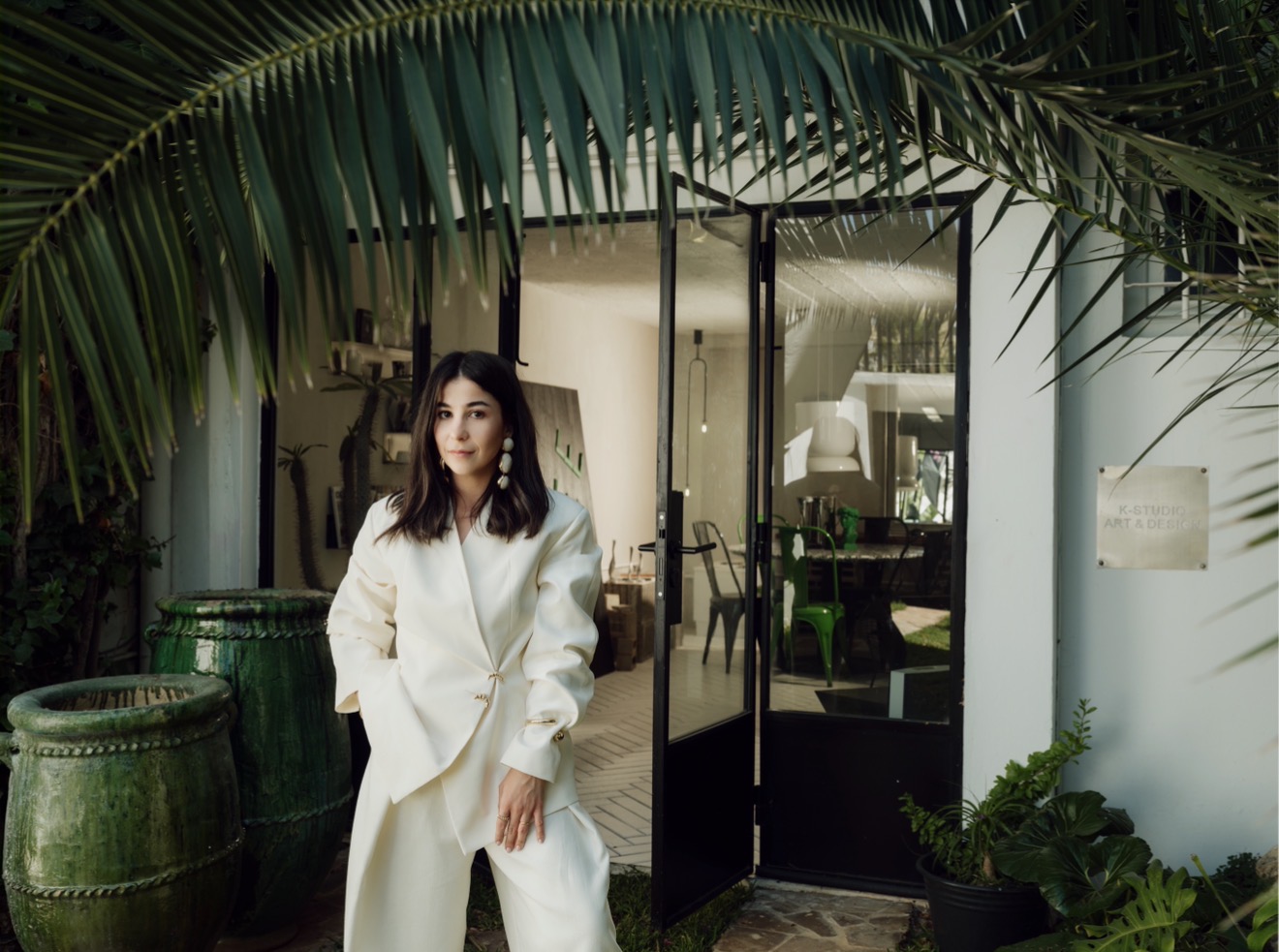
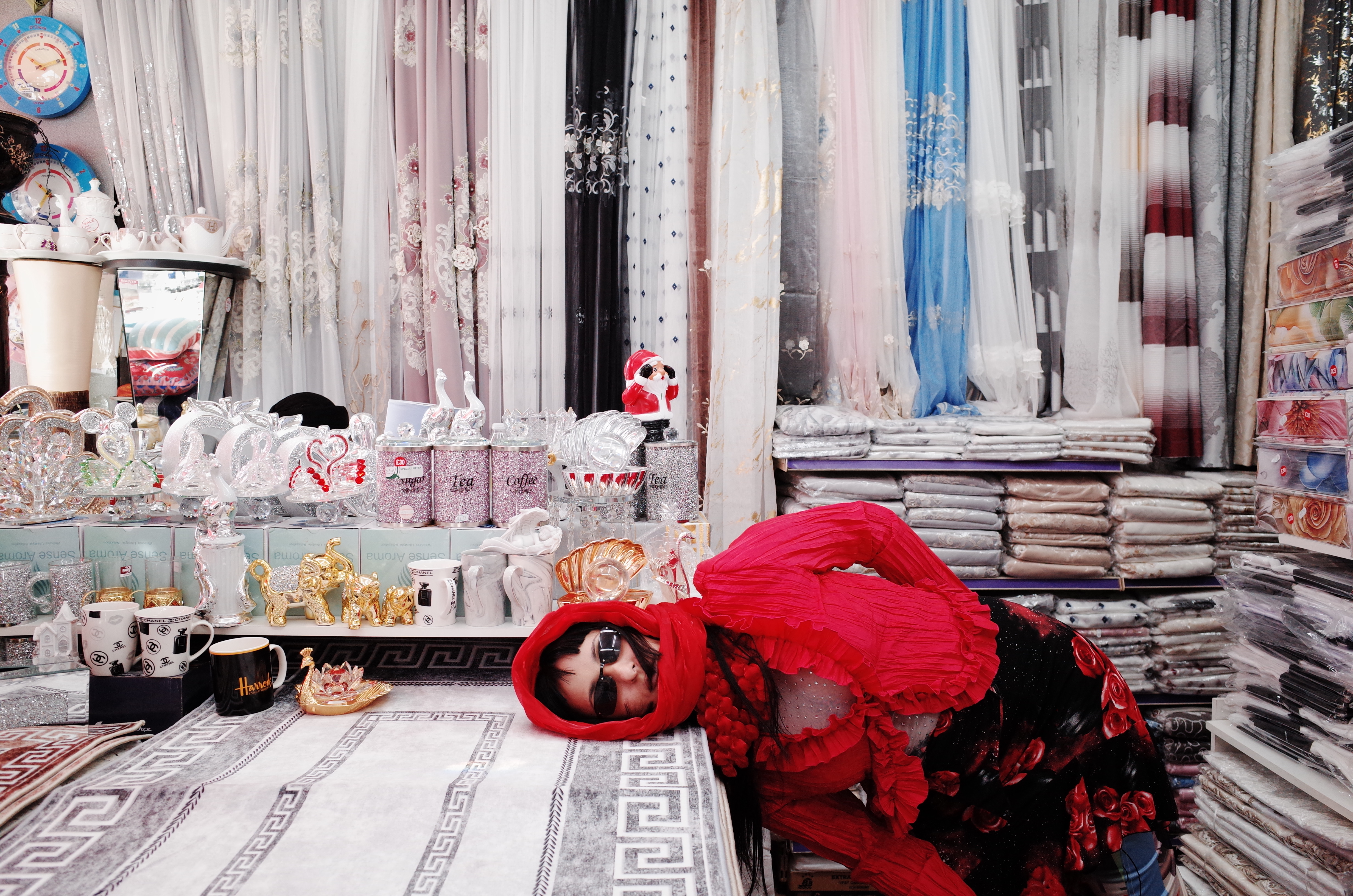
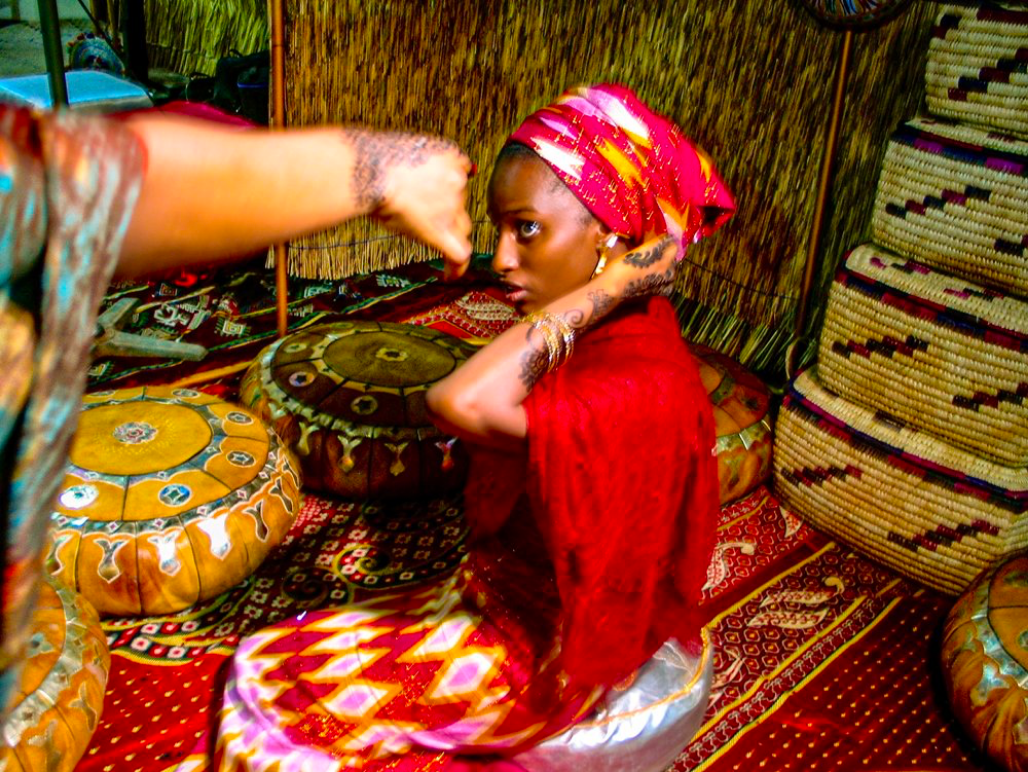
Culture rarely exists in isolation. It moves through people, places, histories and encounters, constantly changing as different experiences meet. For Zainab El-Nafaty , a photographer, videographer, editor and director, this movement is central to the way art can be made and understood. Working under the name Zie, the creative behind Zie approaches visual expression with a clear intention: to highlight the beauty that emerges when cultures fuse together.
It is a perspective that places connection at the centre of the creative process. Rather than treating cultural identity as a fixed category, Zie embraces its ability to shift, expand and take on new meanings. Their work is guided by a desire to challenge the boundaries that people may associate with art and with being Black British, opening up space for more expansive forms of representation.
For Zie, the act of creating is inseparable from this desire for freedom. Photography becomes a way to explore how identities are experienced and expressed, while visual storytelling offers a means of moving beyond assumptions about what art should look like or whose experiences it should represent.
Beyond a Single Definition
Identity is often discussed through the language of categories. Nationality, heritage and cultural background can provide meaningful ways of understanding personal experience, but they can also become limiting when treated as complete descriptions of an individual. Zie’s creative philosophy pushes against this reduction. Their interest lies in what happens when different cultural influences coexist, overlap and contribute to something new.
The beauty of cultural fusion is not simply that separate influences can be placed alongside one another. It is that their encounter can create a perspective that belongs entirely to neither, while remaining connected to both. This space between definitions becomes an opportunity for artistic exploration, allowing the resulting work to reflect the complexity of contemporary identity.
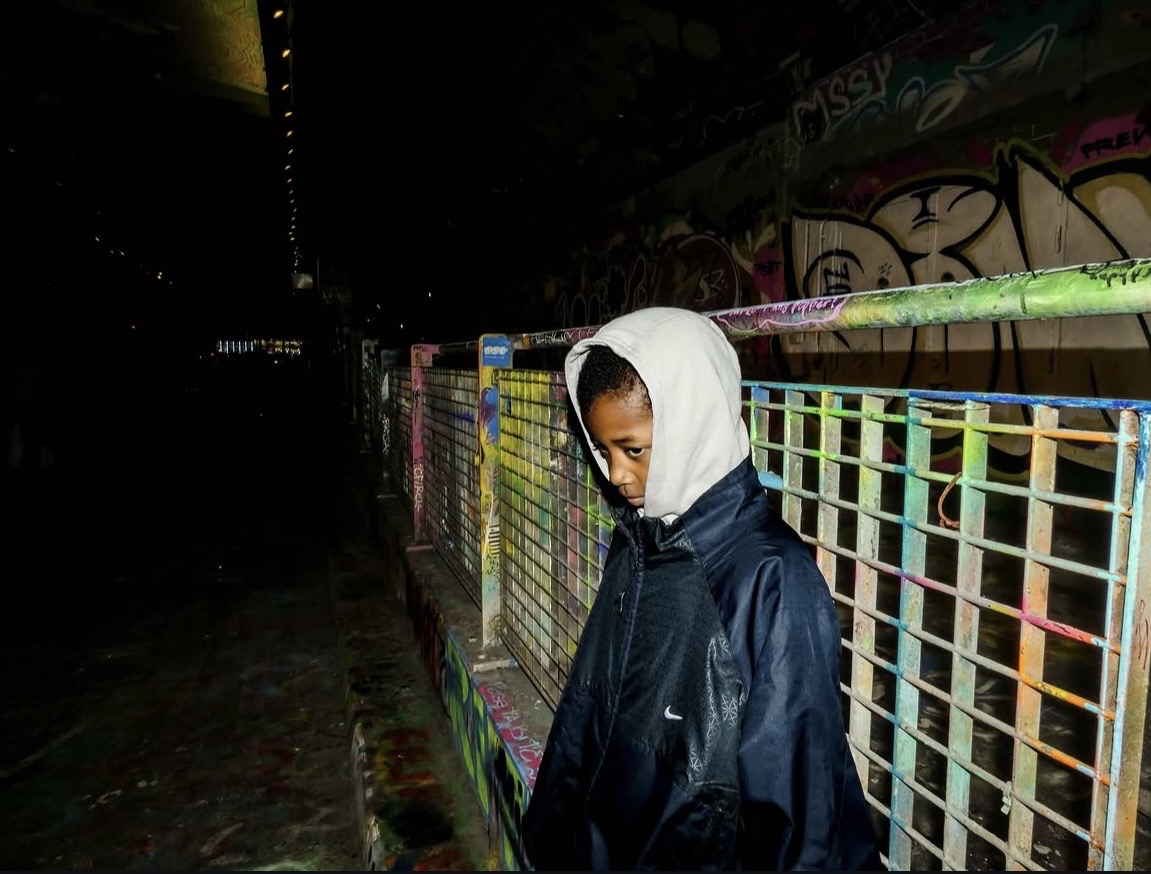
For Black British creatives in particular, questions of representation can involve navigating expectations about heritage, belonging and how cultural experience should be communicated. Zie’s stated intention to break the boundaries surrounding what art and Black British identity can contain speaks to a refusal to accept those expectations as final. Their approach makes room for identities that cannot be fully explained through a single reference point.
This is not a rejection of cultural history. Rather, it is an embrace of the ways history and contemporary experience can exist together. Culture remains meaningful precisely because it can be carried forward, reinterpreted and brought into conversation with other influences.
Photography as a Space for Connection
As a photographer, Zie works with the image as a form of visual communication. A photograph can record a moment, but it can also invite viewers to consider the relationships and meanings that surround it. Through their broader experience in videography, editing and directing, Zie also works across different stages of visual production, bringing an understanding of how images can be shaped and presented.
These creative disciplines offer different ways of constructing a visual narrative. Photography gives a moment its own space, while moving images can introduce duration, rhythm and the relationship between one scene and the next. Editing determines how material comes together, and directing helps establish the broader intention guiding a work. Together, these practices create opportunities to approach a subject from more than one perspective.
For Zie, this range of creative experience sits alongside a consistent interest in cultural exchange. Their work is not defined by a single medium alone, but by the intention that informs the act of making. Whether working with a still image or a moving sequence, the larger ambition is to celebrate the possibilities that emerge when cultures meet.
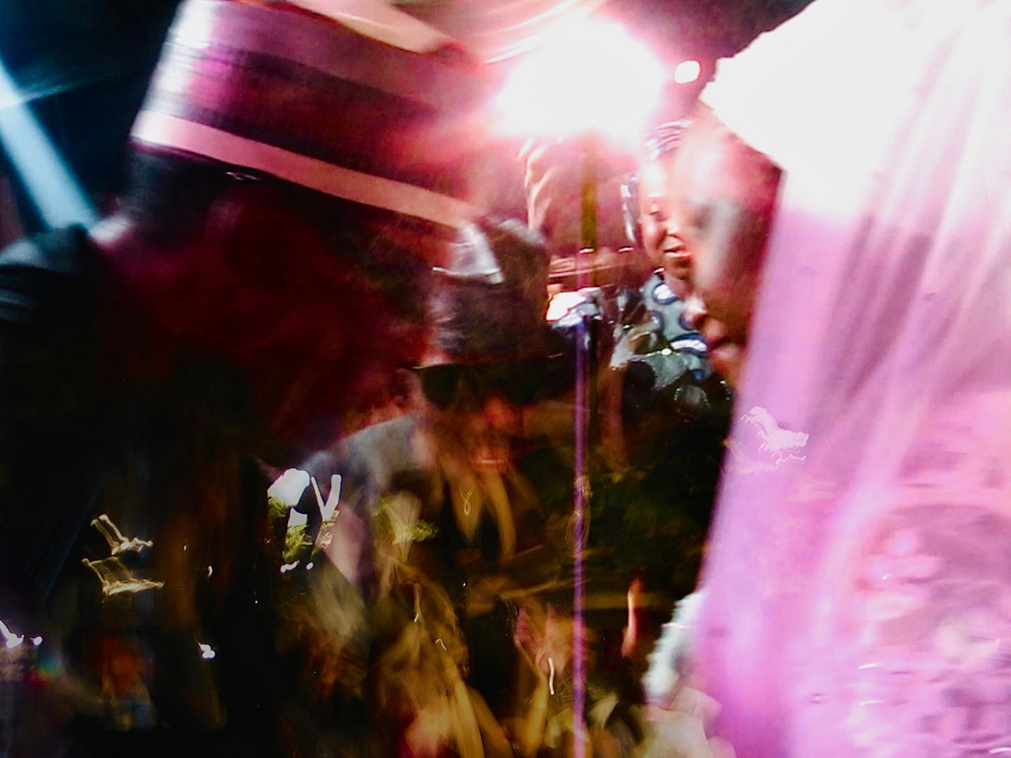
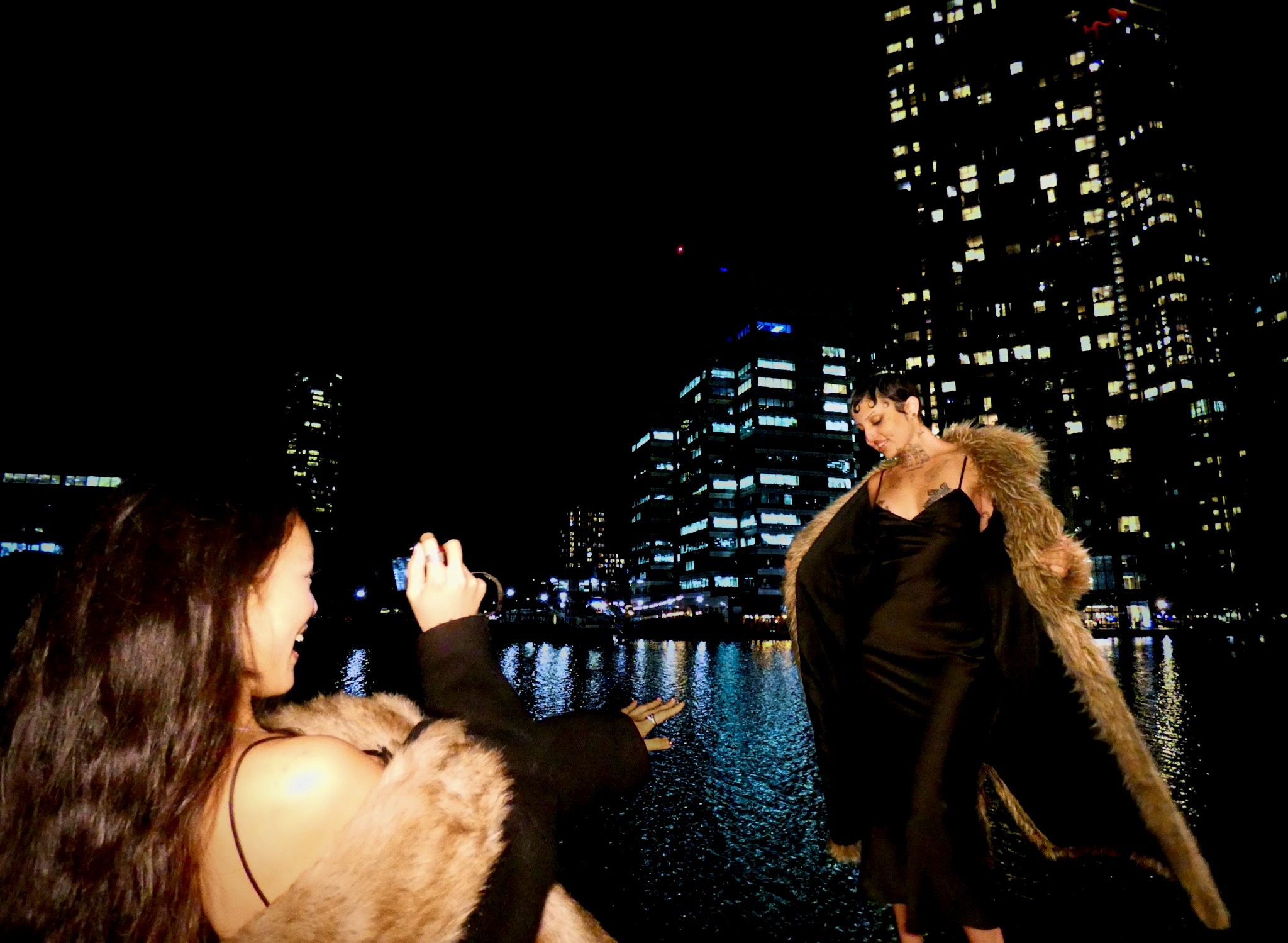
The significance of this approach lies in its openness. It does not require identity to be simplified for the sake of easy interpretation. Instead, it allows visual expression to reflect the multiplicity of lived experience, acknowledging that people can carry different influences without having to choose one over another.
Making Room for Black British Expression
Zie’s creative statement places particular emphasis on the boundaries people may associate with being Black British. The phrase points towards a wider question about representation: who gets to define the limits of an identity, and what happens when artists choose to move beyond them?
Art has the ability to challenge the frameworks through which people are understood. It can complicate familiar narratives, introduce alternative perspectives and make visible experiences that resist conventional descriptions. For artists working across intersecting cultural identities, this freedom can be especially important. The work does not have to function as a single explanation of a community or attempt to satisfy every expectation attached to it.
Instead, it can exist as an individual expression, shaped by personal intention and creative decisions. Zie’s desire to break boundaries reflects this possibility. Their approach leaves space for Black British identity to be understood as varied, evolving and open to interpretation, rather than as a narrow set of visual or cultural markers.
This distinction matters because representation is not only about whether an identity appears in an image. It is also about the freedom to determine how that identity is presented, what stories can be told through it and which influences are allowed to become part of its visual language.
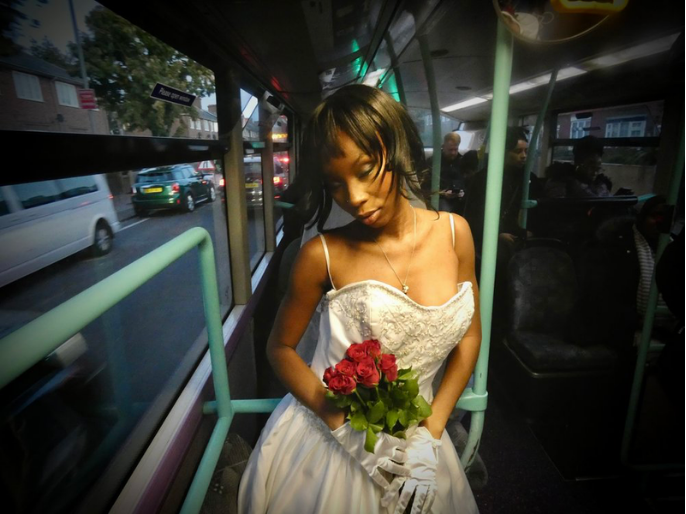
By placing cultural fusion at the centre of their practice, Zie foregrounds the potential of creative work to move between influences without losing its individuality. The result is an approach that values complexity over restriction and possibility over prescribed definitions.
The Intention Behind the Image
What makes Zie’s statement compelling is its simplicity. Their intention is to highlight the beauty that comes from cultures fusing together. This provides a clear foundation for a practice that spans multiple creative disciplines while remaining open to different forms of expression.
There is no need to reduce this philosophy to a single aesthetic or prescribe one interpretation for every image. Instead, it offers a lens through which the work can be approached: an awareness of the cultural relationships that shape visual expression and a willingness to let those relationships expand what art can communicate.
This perspective also asks something of the viewer. To encounter work shaped by cultural exchange is to remain open to connections that may not fit familiar categories. It is an invitation to look beyond a first impression and consider how identity, experience and influence can meet within a creative practice.
For Zie, the goal is not to make those intersections less complex. It is to allow them the freedom to exist.
Keeping the Possibilities Open
In a creative landscape where artists can still find themselves defined by narrow expectations, Zie’s approach places emphasis on self-determination. The freedom to create across cultures, to draw from multiple influences and to challenge established ideas about identity is not an additional element of the work; it is part of the intention behind it.
Through photography, videography, editing and directing, Zie continues to work within a visual language informed by this commitment to cultural connection. Their philosophy centres on the possibilities that emerge when boundaries are questioned and when identity is allowed to remain expansive.
Ultimately, Zie’s practice begins with an idea that reaches beyond any single image: cultures do not have to remain separate for their histories and meanings to matter. When they meet, they can produce new perspectives, new expressions and new ways of seeing the world.
For ICONNER Magazine, Zie’s creative outlook speaks to the importance of making room for artists who challenge fixed definitions and explore the richness of contemporary identity. Their work reminds us that visual expression can be a place where different influences meet without being reduced to one another—and where the freedom to create begins with the freedom to be more than one thing.